
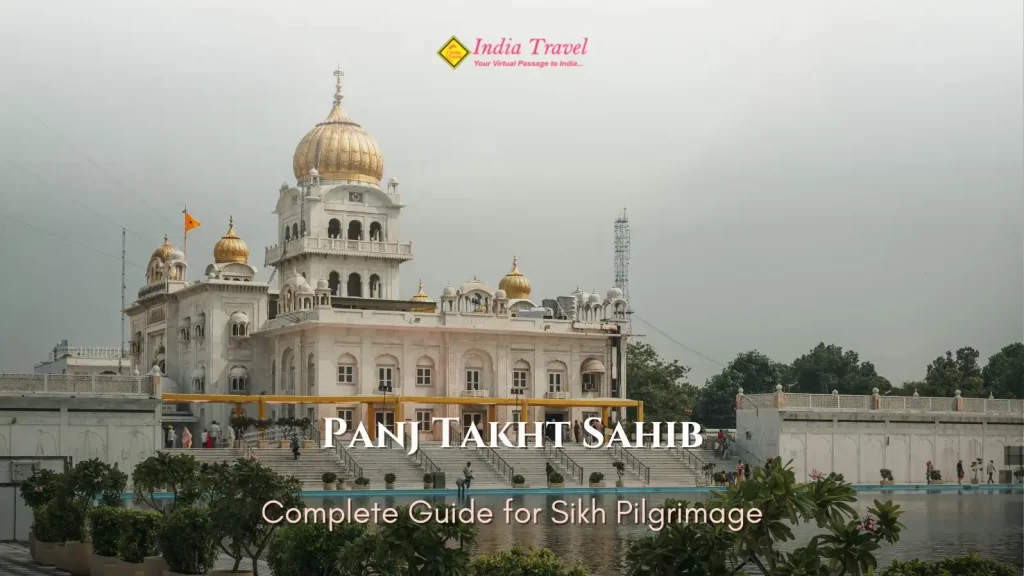
Panj Takht Sahib – Complete Guide for Sikh Pilgrimage
The Panj Takht Sahib, meaning “Five Thrones” of Sikhism, are the five supreme spiritual seats that embody the authority of the Sikh faith. Just as thrones symbolize power in worldly kingdoms, the Takhts represent both spiritual and temporal authority for the Sikh community. From these sacred seats, major decisions concerning Sikh traditions, values, and community welfare are declared. The five Takhts are spread across India – Akal Takht Sahib in Amritsar, Takht Sri Kesgarh Sahib in Anandpur Sahib, Takht Sri Damdama Sahib in Bathinda, Takht Sri Patna Sahib in Bihar, and Takht Sri Hazur Sahib in Nanded, Maharashtra. Each of them holds immense historical and spiritual significance, deeply connected to the lives and teachings of Sikh Gurus. For Sikhs worldwide, visiting the Five Takht Sikh Gurudwaras is not just a journey, but a once-in-a-lifetime spiritual calling. With increasing global interest in Sikh pilgrimage tours in India, many devotees, including NRIs, now undertake specially curated Panj Takht Tour Packages to complete this divine yatra. In this guide, we’ll explore the history, importance, and detailed travel itineraries of the 5 Takhts of Sikhism, along with practical tips to help you plan your Panj Takht Sahib Yatra. History of Panj Takht Sahib The concept of the Takht system in Sikhism dates back to 1606, when Guru Hargobind Ji, the sixth Sikh Guru, established the Akal Takht Sahib within the Golden Temple complex in Amritsar. Unlike a traditional place of worship, the Akal Takht symbolized Sikh sovereignty, justice, and the defense of righteousness. It was here that Guru Hargobind Ji introduced the idea of Miri-Piri (temporal and spiritual authority), reflecting that Sikhs should not only meditate but also stand up against oppression. Over the centuries, four more Takhts were established to guide the Sikh Panth: Takht Sri Kesgarh Sahib in Anandpur Sahib, the birthplace of the Khalsa in 1699; Takht Sri Damdama Sahib in Bathinda, where Guru Gobind Singh Ji compiled the final version of Guru Granth Sahib; Takht Sri Patna Sahib, the birthplace of Guru Gobind Singh Ji in Bihar; and Takht Sri Hazur Sahib in Nanded, where the Guru spent his final days and bestowed Guruship upon the Guru Granth Sahib. Together, these Five Takht Sikh Gurudwaras became the highest institutions of authority in Sikhism, ensuring that decisions affecting the community were taken with collective wisdom, rooted in Sikh values. To this day, edicts (Hukamnamas) from the Takhts hold supreme importance for Sikhs around the world. The Five Takhts Explained A) Akal Takht Sahib – Amritsar, Punjab History & Significance: Established by Guru Hargobind Ji in 1606, the Akal Takht Sahib (Throne of the Timeless One) is the highest seat of authority in Sikhism. Located within the Golden Temple (Sri Harmandir Sahib) complex, it stands as a symbol of Sikh unity and justice. Historically, it was the center of Sikh political and spiritual power, where Gurus addressed issues concerning the community. Best Time to Visit: October to March (pleasant weather). Major festivals: Vaisakhi, Gurpurabs, and Diwali. Key Rituals/Festivals: Daily Hukamnama readings, Akhand Paath, and participation in seva (selfless service). Travel Tips: Situated in the heart of Amritsar, easily accessible by air, rail, and road. Travelers should also explore Jallianwala Bagh and Wagah Border nearby. B) Takht Sri Kesgarh Sahib – Anandpur Sahib, Punjab History & Significance: This sacred Takht in Anandpur Sahib is the birthplace of the Khalsa Panth, established by Guru Gobind Singh Ji on Baisakhi in 1699. It was here that the Guru initiated the Panj Pyare (Five Beloved Ones) and gave Sikhs a unique identity. Kesgarh Sahib also hosts Hola Mohalla, a festival showcasing Sikh martial arts, kirtan, and community spirit. Best Time to Visit: March (Hola Mohalla) or April (Baisakhi). Winter months are also comfortable. Key Rituals/Festivals: Hola Mohalla, daily prayers, kirtan, and Amrit Sanchar ceremonies. Travel Tips: Closest city is Chandigarh (80 km). Taxis and buses are available. The town is surrounded by scenic Shivalik Hills, making it a spiritually enriching destination. C) Takht Sri Damdama Sahib – Bathinda, Punjab History & Significance: “Damdama” means a resting place. Guru Gobind Singh Ji stayed here after the Battle of Muktsar in 1705. It was at Damdama Sahib that he finalized and authenticated the Guru Granth Sahib as the eternal Guru of Sikhs. For this reason, it is often referred to as the seat of Sikh learning. Best Time to Visit: October to March. Summers can be very hot in Bathinda. Key Rituals/Festivals: Daily Gurbani kirtan, religious discourses, and Gurpurabs. Travel Tips: Bathinda is well connected by rail and road. This Takht is also a good stopover for those exploring Malwa region’s historical Sikh sites. D) Takht Sri Patna Sahib – Patna, Bihar History & Significance: Also known as Harmandir Sahib, Patna, this Takht marks the birthplace of Guru Gobind Singh Ji (1666). The complex houses many relics, including Guru Gobind Singh Ji’s childhood belongings, weapons, and sacred scriptures. It remains one of the most important pilgrimage centers for Sikhs. Best Time to Visit: November to February (cooler weather). Avoid peak summers and monsoon months. Key Rituals/Festivals: Gurpurab celebrations, daily kirtan, and large congregations during Guru Gobind Singh Ji’s birth anniversary. Travel Tips: Patna has a domestic airport and excellent train connectivity. Visitors often combine the trip with a cultural exploration of Bihar. E) Takht Sri Hazur Sahib – Nanded, Maharashtra History & Significance: Located on the banks of the Godavari River, Hazur Sahib is where Guru Gobind Singh Ji spent his final days in 1708. It was here that he declared the Guru Granth Sahib as the eternal Guru of the Sikhs. The Takht is renowned for its grandeur, with daily rituals performed in the traditional way from Guru Ji’s time. Best Time to Visit: October to February. Special celebrations occur on Dussehra and Guru Gobind Singh Ji’s Jyoti Jot (martyrdom). Key Rituals/Festivals: Daily Ardas and Hukamnama,
Panj Takht Sahib – Complete Guide for Sikh Pilgrimage Read More »