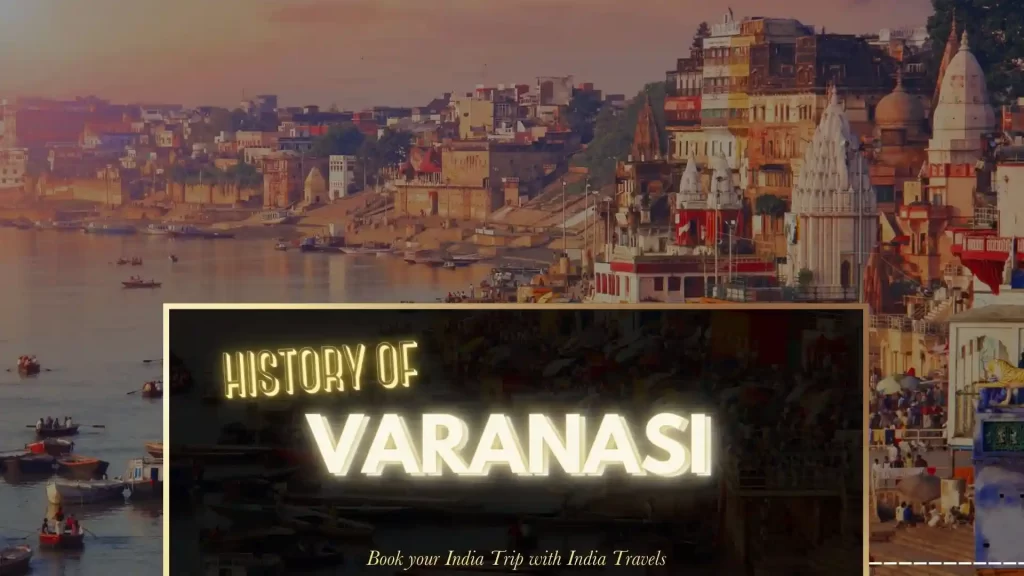
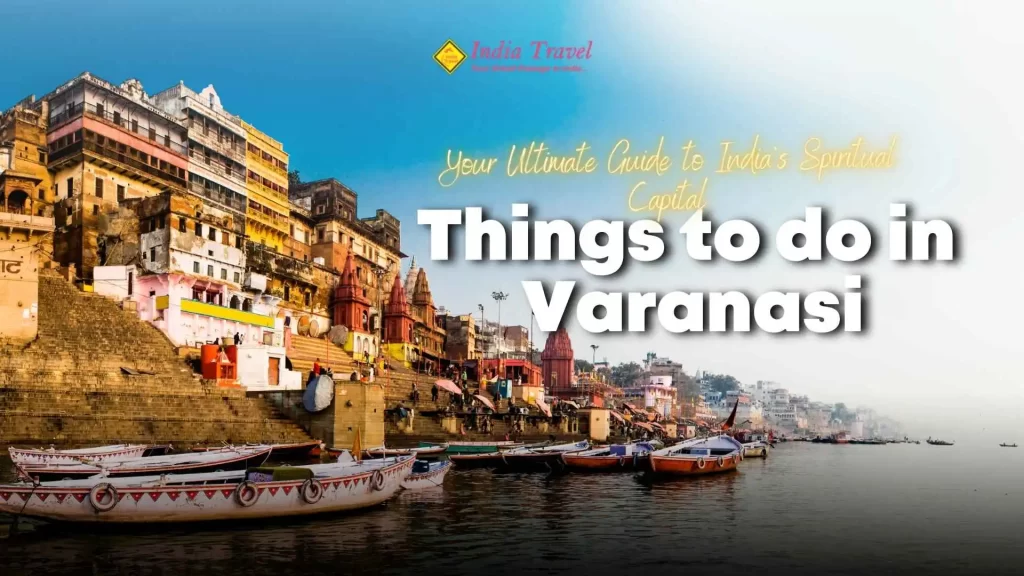
Things to Do in Varanasi – Your Ultimate Guide to India’s Spiritual Capital
Discover Varanasi: India’s Oldest Living City Among the oldest cities on earth, Varanasi exists as Kashi or Banaras. Situated next to the sacred Ganges River, Varanasi exists as the religious headquarters of India because travelers value its combination of spiritual dimensions with historical and cultural elements. Why Visit Varanasi? A mixture of spirituality, culture, and history is known for its sacred ghats, ancient temples, and vibrant rituals. This city provides attractions that fulfill the needs of both religious explorers and cultural enthusiasts and history lovers. Varanasi Tourism: What Makes It a Bucket-List Destination? Varanasi maintains its charm because it offers an ageless, peaceful atmosphere. Observing the Ganga Aarti along with walking through bustling lanes characterizes the way Varanasi uniquely enchants its visitors. Suggest Tour: Varanasi Tour with Ayodhya Top Things to Do in Varanasi Witness the Ganga Aarti at Dashashwamedh Ghat Every evening at Dashashwamedh Ghat people gather to witness the enchanting Ganga Aarti ritual. Traditional priests in their sacred attire perform the ceremony as they use oil lamps and incense along with chants to create a holy environment. Early arrival at the site provides better choices for seating options, while better boat viewing positions can be found from following the water. Take a Sunrise Boat Ride on the Ganges Boat rides along Ganges offer visitors a peaceful start to their mornings. The ghats reveal their beauty through devoted citizens along with spiritual ceremonies while attaining a colorful atmosphere during sunrise hours. The serene time provides extraordinary vistas paired with a spiritual touch which defines Varanasi’s spirit. Explore the Iconic Ghats of Varanasi Varanasi features more than 80 specific ghats that hold distinct spiritual meanings. Varanasi features more than 80 specific ghats that hold distinct spiritual meanings Assi Ghat: Known for its calm ambiance and yoga sessions. Manikarnika Ghat: The main cremation ghat, central to Hindu beliefs about life and death. Harishchandra Ghat: Another important cremation site with a rich history. Visit the Kashi Vishwanath Temple Spiritual visitors should prioritize visiting this temple because Lord Shiva devotes it to him along with making it one of the twelve Jyotirlingas. The temple’s complex design, along with its religious importance, functions as a main attraction for all Varanasi visitors. Go to the Kashi Vishwanath Temple with appropriate dress and get there in advance to skip waiting in line. Discover Sarnath: A Buddhist Pilgrimage Site The sacred location of Sarnath rests only 10 km from Varanasi, as Lord Buddha preached his initial message at this peaceful site. To understand Buddhism’s origins, visitors should explore the landmarks at Dhamek Stupa along with Chaukhandi Stupa while also studying at the archaeological museum. Cultural and Culinary Experiences in Varanasi Stroll Through the Old City of Varanasi The old city shows its charm through its cloak of winding streets. You can explore the local streets where you will find sacred temples along with animated markets and an active street atmosphere that showcase authentic Varanasian charm. Savor the Flavors of Banarasi Cuisine Try the dishes, including Kachori-Sabzi and Tamatar Chaat, while also tasting the sweet Malaiyo and traditional Banarasi Paan Kachori-Sabzi: A spicy breakfast dish. Tamatar Chaat: A tangy street food specialty. Malaiyo: A frothy, sweet treat available in winter. Banarasi Paan: A flavorful betel leaf preparation. Eat at the popular commercial restaurants and street eateries for a real Banarasi food encounter. Shop for Authentic Banarasi Silk Sarees People commonly associate Varanasi with its luxury silk sarees because their handmade designs create exceptional products. Purchase the classic pieces of mobile phone design by visiting both Thateri Bazaar and Vishwanath Gali. Attend a Classical Music or Dance Performance Varanasi is a hub for Indian classical music and dance. Experience the culture of Varanasi through live performances at the International Music Centre Ashram to understand the artistic heritage of the city. Hidden Gems and Unique Activities Explore Ramnagar Fort Across the River Guests can access the royal legacy of Varanasi through this 18th-century fort which sits on the eastern Ganges bank. The museum inside houses vintage cars, weapons, and historical artifacts. Learn Yoga and Meditation in Varanasi Practicing yoga and meditation in Varanasi offers perfect conditions. Various ashrams and yoga centers across Varanasi organize events for their guests to participate in sessions that enhance both physical and mental health. Take a Spiritual Dip in the Gangas The belief among many Hindus stands that immersing oneself in the Ganges river serves two purposes: purification of the soul while removing past sins. This spiritual practice reveals the profound religious meaning of the city to anyone who participates. Visit bharat Mata Temple: A Tribute to India The Bharat Mata Temple stands apart from conventional worship places because its purpose focuses on Mother India while displaying a grand marble depiction of the Indian subcontinent. The attraction stands distinctively as it honors both the diverse identity and unification of India. Seasonal and Festival Highlights Celebrate Dev Deepawali and Other Festivals in Varanasi During Dev Deepawali which occurs fifteen days after Diwali Varanasi lights up into a dazzling city. Diyas (oil lamps) number in the thousands to light up the ghats thus generating a mesmerizing vista. Together with Holi and Mahashivratri the city displays its active traditional celebrations. Plan Your Varanasi Trip from the USA Best Time to Visit Varanasi The ideal time to visit is between October and March, when the weather is pleasant. How to Reach Varanasi By Air: Lal Bahadur Shastri International Airport connects Varanasi to major cities, including flights from the USA via Delhi or Mumbai. By Train: Varanasi Junction is a major rail hub. By Road: Well-connected by highways to nearby cities like Lucknow and Allahabad. Accommodation Options: Where to Stay in Varanasi Choose from budget guesthouses, heritage hotels, or luxury accommodations near the ghats for an immersive experience. Travel Tips for USA Tourists Visiting Varanasi Respect local customs and dress modestly. Be mindful of photography, especially during rituals. Hire a guide to navigate the city’s cultural and historical sites. Conclusion Varanasi exists as more than
Things to Do in Varanasi – Your Ultimate Guide to India’s Spiritual Capital Read More »