Khajjiar is a forest-ringed meadow in Himachal Pradesh, about 24 km from Dalhousie. Visit between March and June or September and November for the best weather. Most foreign visitors arrive by taxi from Pathankot and need an Indian e-Visa.
Khajjiar Hill Station: What It Is and Why Visitors Come
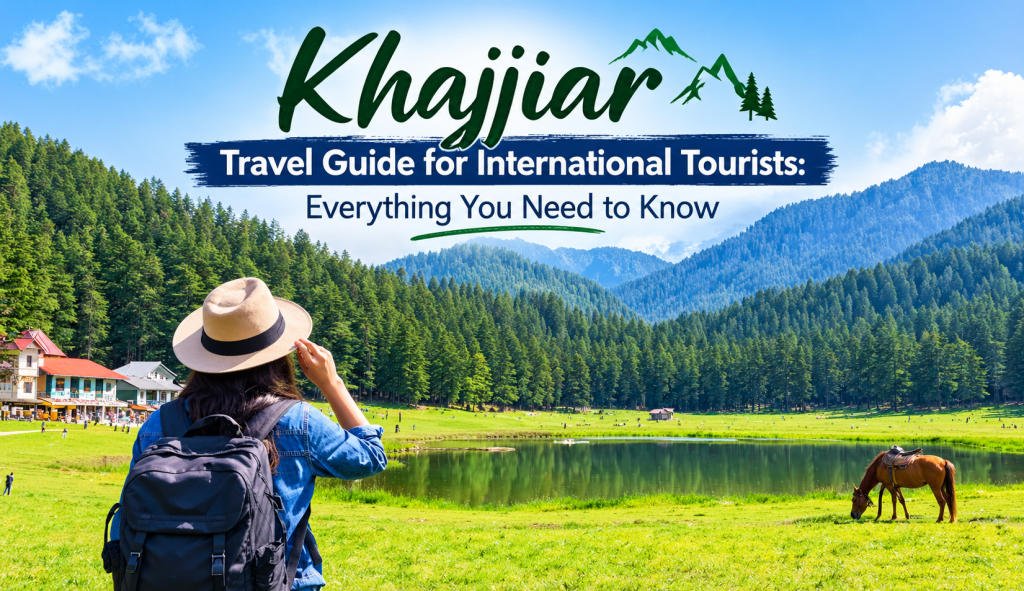
Khajjiar hill station is a high meadow at 1,920 m in Chamba district, ringed by deodar forest and a small lake. It sits in the Dhauladhar foothills, far from the crowds of Shimla and Manali.
Locals call it the “Mini Switzerland of India.” Swiss ambassador Willy Blaser reportedly placed a plaque here in 1992. That visit popularized the nickname.
Quick facts:
- Elevation: about 1,920 m (6,300 ft)
- District: Chamba, Himachal Pradesh
- Nearest town: Dalhousie, about 24 km away
- Nearest railhead: Pathankot, about 120 km away
In practice, many first-time visitors add it to a Dalhousie trip. Real users report that one overnight stay beats a rushed day trip.
This hill station works well as a first Himalayan stop because it needs little trekking. Flat paths and short drives suit families, older travelers, and anyone still adjusting to India.
Khajjiar Tourist Places You Should Not Miss
The main Khajjiar tourist places are the central meadow, the lake, Khajji Nag Temple, and Kalatop sanctuary.
Khajjiar Lake and the Central Meadow
The lake sits in the middle of the meadow and has floating patches of marsh grass. Visitors walk the ring path in about 20 minutes. Some travelers find the lake smaller than photos suggest.
Khajji Nag Temple and Kalatop Sanctuary
Khajji Nag Temple honors a serpent deity, and locals date it to the 12th century. Remove your shoes before entering and look closely at the carved wooden pillars.
Kalatop-Khajjiar Wildlife Sanctuary covers about 30 sq km, according to the Himachal Pradesh Forest Department. Himalayan black bears, leopards, and barking deer live there. Buy tickets at the forest gate.
Adventure options:
- Paragliding and zorbing near the meadow
- Horse rides around the lake
- Short forest walks inside the sanctuary
Prices are negotiable, and safety standards vary by operator. Check equipment and ask for a licensed pilot before you book paragliding.
Side trip: Chamba town, about 25 km away, adds Lakshmi Narayan temples and Chamba rumal embroidery. It makes an easy half-day side trip from the hill station.
Best Time to Visit Khajjiar
The best time to visit Khajjiar is March to June and September to November, when skies are clear and roads stay open.
- March–June: mild days of roughly 12–25°C and clear views
- July–August: monsoon brings green meadows, fog, and landslide risk
- September–November: crisp air and clear Dhauladhar views, with cold nights by November
- December–February: snowfall and sub-zero nights; some roads and hotels close
The India Meteorological Department typically places monsoon arrival in Himachal Pradesh in late June. Plan around it, since heavy rain can block mountain roads.
Value tip: Hotel rates in October are usually lower than in May and June, and crowds thin after Indian school holidays.
In practice, snow seekers book January and keep two spare days for road closures. The Mini Switzerland of India look peaks under snow.
How to Reach Khajjiar: Visa, Transport and Costs
You need an Indian e-Visa, then a taxi from Pathankot or Dalhousie to get there.
Visa: Apply on the Government of India’s official e-Visa portal well before you travel. Always consult an immigration professional or your embassy for your situation.
Transport: Fly or take an overnight train to Pathankot, then drive 3.5 to 4 hours. Taxis from Dalhousie take about 45 minutes.
Stay and money: Himachal Pradesh Tourism Development Corporation runs a hotel beside the meadow. Private guesthouses charge roughly ₹1,500–₹6,000 per night. ATMs are scarce, so withdraw rupees in Dalhousie.
Getting around the hill station: Local taxis often quote set rates for sightseeing loops. Agree on the fare before you start.
A common mistake is a late winter arrival, when roads ice over. At 1,920 m, altitude is mild, but always consult a qualified travel doctor if you have heart or lung conditions.
Key Takeaways
- The meadow sits at 1,920 m in Chamba, about 24 km from Dalhousie.
- March–June and September–November are the best months for most visitors.
- Plan one night so you can enjoy the meadow, temple, and sanctuary.
- Carry rupees, because ATMs are scarce and mobile signal can drop.
- This Khajjiar travel guide assumes an e-Visa and a Pathankot or Dalhousie route.
Frequently Asked Questions
Is Khajjiar worth visiting for international tourists?
Yes, if you want quiet mountain scenery rather than nightlife. It suits slow travelers who enjoy walking, forest views, and local temples. Skip it if you expect big-city comforts.
How many days do you need in Khajjiar?
One night covers the meadow, lake, temple, and sanctuary. Add a second night for a full sanctuary walk or paragliding. Most itineraries pair it with Dalhousie and Chamba.
Why is Khajjiar called the Mini Switzerland of India?
Its open meadow, deodar forest, and lake resemble Swiss alpine scenery. Swiss ambassador Willy Blaser reportedly installed a plaque in 1992, which cemented the nickname.
Do foreigners need a special permit to visit Khajjiar?
Foreigners typically need only a valid Indian visa and passport. Rules can change, so confirm with your embassy or the Himachal Pradesh Tourism Department before you travel.
Is Khajjiar safe for solo travelers?
Yes, it is generally calm and safe, including for solo women. Use registered taxis, avoid night drives on mountain roads, and tell your hotel your plans. Choose Khajjiar stays with recent reviews.