
Ayodhya tour guide
Complete Ayodhya tour guide
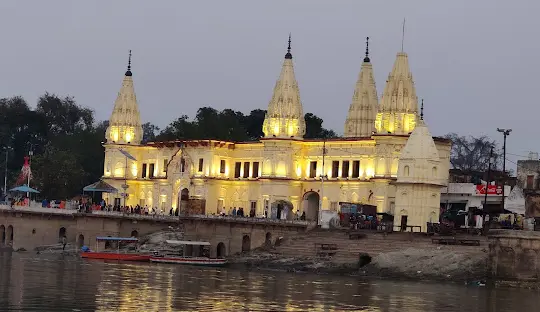
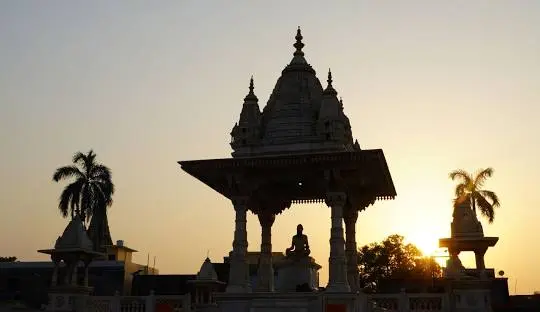
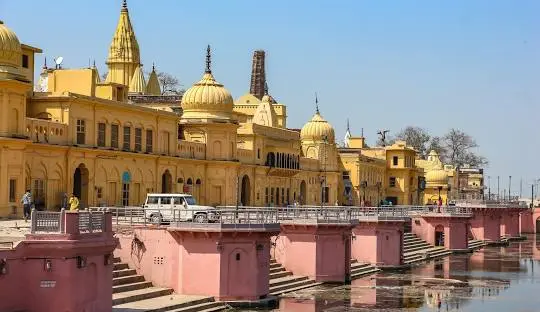
Ayodhya is one of the seven sacred cities (Sapta Puri) of Hinduism, holding immense religious, historical, and cultural significance. Situated on the banks of the holy Saryu River in Uttar Pradesh, Ayodhya is believed to be the birthplace of Lord Ram, the seventh incarnation of Lord Vishnu.
For centuries, Ayodhya has been a center of faith, referenced in ancient scriptures, epics like the Ramayana, and devotional traditions across India. In recent years, the city has undergone a major transformation with the development of the Ram Janmabhoomi complex, turning it into one of the most important pilgrimage destinations in the world.
A journey to Ayodhya is not just tourism—it is an emotional and spiritual experience. Devotees come here seeking peace, devotion, and a connection with Ramayana-era heritage.
A well-planned Ayodhya travel package helps travelers experience the city in a structured way, covering temples, ghats, heritage sites, and evening rituals along the Saryu River.
Best Time to Visit Ayodhya
The climate and spiritual experience in Ayodhya vary throughout the year, but the most comfortable and meaningful travel period is during winter.
Winter (October to March) – Most Recommended Season
Winter is the most favorable time for visiting Ayodhya. The weather remains cool and pleasant, making it ideal for walking tours, temple visits, and attending evening aartis. This is also the peak pilgrimage season, especially after major temple developments, when devotees from across India and abroad visit in large numbers.
The calm morning mist over the Saryu River and the spiritual energy during evening prayers create a deeply peaceful environment.
Monsoon (July to September) – Calm & Spiritual Greenery
During monsoon, Ayodhya transforms into a lush green spiritual town. The Saryu River flows with renewed energy, and the surroundings feel fresh and vibrant. While rainfall may occasionally affect travel plans, this season offers a quieter and more reflective experience.
Summer (April to June) – Hot but Manageable
Summers in Ayodhya can be intense due to high temperatures. However, devotees still visit during this time, especially in early mornings and evenings. Temple visits are still possible, but proper planning is essential to avoid peak heat hours.
Best Places to Visit in Ayodhya
Ayodhya’s spiritual landscape is built around temples, ghats, and mythological landmarks that reflect centuries of devotion.
Shri Ram Janmabhoomi Temple
The Shri Ram Janmabhoomi Temple is the spiritual heart of Ayodhya and one of the most significant pilgrimage sites in India. It is believed to mark the exact birthplace of Lord Ram, making it a deeply revered destination for Hindus worldwide.
The temple’s architecture blends traditional North Indian temple design with modern engineering, symbolizing faith and cultural revival. The atmosphere inside the complex is filled with chants, rituals, and a strong sense of devotion that leaves a lasting emotional impact on visitors.
For many pilgrims, visiting this temple is a lifelong spiritual milestone.
Saryu River & Ram Ki Paidi
The Saryu River holds immense mythological importance in the Ramayana. It is believed that Lord Ram took Jal Samadhi here. The riverbanks, especially Ram Ki Paidi, have been beautifully developed with ghats, lighting, and pathways for pilgrims.
In the evening, the Saryu Aarti creates a divine atmosphere with lamps floating on water, chanting priests, and reflections of lights on the river. It is one of the most spiritually uplifting experiences in Ayodhya.
Hanuman Garhi
Hanuman Garhi is one of the most visited temples in Ayodhya, dedicated to Lord Hanuman, who is believed to protect the city. Located on a hilltop, the temple requires climbing a series of steps, symbolizing devotion and effort.
From the top, visitors can view the entire Ayodhya cityscape. Devotees believe that visiting Hanuman Garhi before Ram Janmabhoomi is essential, as Lord Hanuman is considered the guardian of Ayodhya.
Kanak Bhawan
Kanak Bhawan is one of the most beautiful and spiritually significant temples in Ayodhya, dedicated to Lord Ram and Goddess Sita. According to belief, it was gifted to Sita by Queen Kaikeyi after her marriage.
The temple is known for its gold-adorned idols, intricate artwork, and serene courtyard atmosphere. Devotional songs and bhajans fill the air, making it a peaceful place for worship and reflection.
Nageshwarnath Temple
This ancient Shiva temple is believed to have been established by Kush, son of Lord Ram. It is one of the oldest temples in Ayodhya and holds special importance during Shivratri celebrations, when thousands of devotees gather to offer prayers.
The temple represents Ayodhya’s connection not only to Vaishnav tradition but also to Shaivism.
Treta Ke Thakur
Treta Ke Thakur marks the site where Lord Ram is believed to have performed the Ashwamedha Yajna. The temple holds historical and mythological significance and is open only on specific days, adding to its sacred importance.
Things to Do in Ayodhya
Ayodhya offers experiences that are deeply spiritual rather than recreational, making it unique among Indian destinations.
Spiritual Experiences
The most important activity in Ayodhya is temple exploration. Visiting Ram Janmabhoomi, Hanuman Garhi, and Kanak Bhawan allows travelers to connect deeply with Hindu mythology and devotional traditions. Participating in rituals, listening to bhajans, and observing pujas provide a powerful spiritual immersion.
Saryu River Experience
Evening aarti at Ram Ki Paidi is one of the most memorable experiences in Ayodhya. Watching hundreds of diyas floating on the river while priests chant hymns creates a surreal and calming atmosphere. Early morning walks along the ghats offer silence, mist, and spiritual reflection.
Cultural Exploration
Ayodhya is also a growing cultural tourism destination. Travelers can explore Ramayana-themed storytelling, heritage walks, and local markets selling religious artifacts, idols, and souvenirs. The city’s transformation has also introduced guided tours that explain its mythological significance.






How to Reach Ayodhya
By Air
Ayodhya is now served by the Maharishi Valmiki International Airport, connecting the city to major Indian destinations. Alternatively, Lucknow Airport remains a major gateway located around 135 km away.
By Train
Ayodhya Junction is well-connected to major Indian cities including Delhi, Varanasi, Lucknow, and Prayagraj. Rail travel is one of the most preferred options for pilgrims due to convenience and affordability.
By Road
Ayodhya is accessible via well-maintained highways. Regular buses and taxis operate from nearby cities such as Lucknow, Varanasi, and Prayagraj. Road travel offers flexibility and is commonly chosen by family groups and pilgrimage tours.
Places to Visit Near Ayodhya
Places to Visit Near Ayodhya
Prayagraj (170 km)
Known for the Triveni Sangam, Prayagraj is one of the most sacred Hindu pilgrimage sites where three rivers meet.
Varanasi (200 km)
Varanasi, the spiritual capital of India, offers the famous Ganga Aarti, ancient temples, and deep-rooted cultural experiences.
Lucknow (135 km)
Lucknow is known for its Mughal-era architecture, food culture, and historical monuments.
Chitrakoot (140 km)
Chitrakoot is closely associated with Lord Ram’s exile period and offers peaceful natural and spiritual surroundings.
FAQ – Ayodhya Tour
The best time to visit Ayodhya is from October to March when the weather is pleasant for temple visits and sightseeing.
Ayodhya is famous as the birthplace of Lord Ram and is one of the most important pilgrimage cities in Hinduism.
A 2 to 3-day trip is ideal to explore major temples, Saryu River ghats, and nearby attractions comfortably.
Key places include Ram Janmabhoomi Temple, Hanuman Garhi, Kanak Bhawan, Nageshwarnath Temple, and Saryu River ghats.
Yes, Ayodhya is considered very safe for pilgrims and tourists, with well-managed security around major temples and tourist areas.
Ayodhya can be reached by air (Ayodhya Airport), train (Ayodhya Junction), and road from cities like Lucknow, Varanasi, and Delhi.
Saryu Aarti at Ram Ki Paidi is a divine evening ritual with lamps, chants, and river views, creating a peaceful spiritual experience.
Yes, Ayodhya offers budget hotels, dharamshalas, and mid-range stays, with increasing premium accommodation options.
Yes, Ayodhya is often combined with Varanasi, Prayagraj, and Chitrakoot in a spiritual circuit tour.
Yes, especially during peak seasons and festivals, it is recommended to book hotels and travel packages in advance.