India

Discover the key differences between North and South India—culture, food, climate & travel tips for first-time international visitors.

North India vs South India: A Complete Travel Guide for First-Time Foreign Visitors

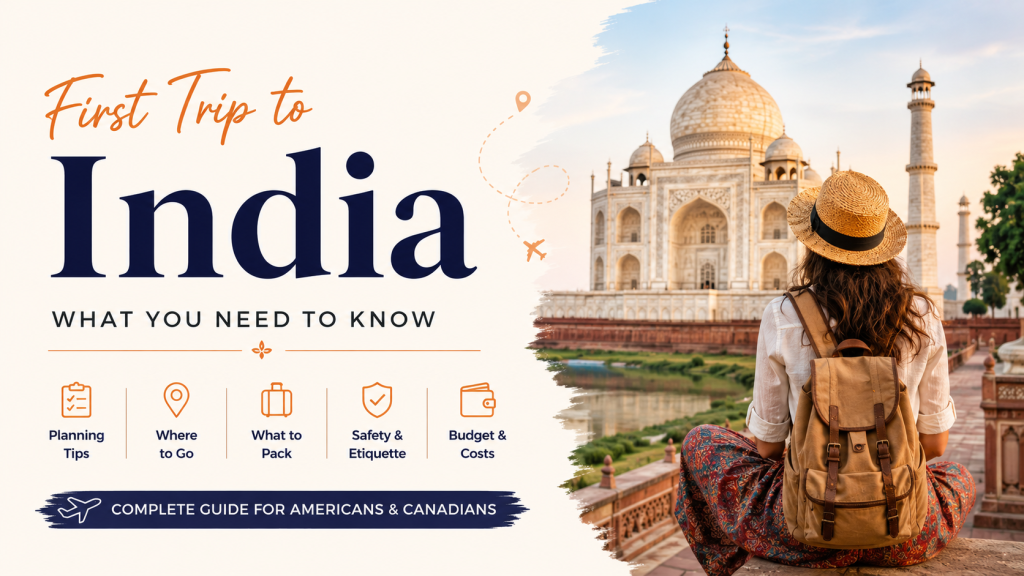
Two regions, two entirely different Indias. Here is how to choose the one that fits your trip. India is not a single destination. It is many worlds existing side by side, and nowhere is that contrast sharper than between North India and South India. The architecture is different, the food is different, the languages are different, and the pace of daily life is different. For a first-time foreign visitor, understanding this divide before you book your flights is one of the most valuable pieces of trip-planning research you can do. This guide breaks down every key difference so you can make an informed decision and build a trip that actually matches what you are looking for. In this paragrap we’re going to discuss About North India Vs. South India What Each Region Looks and Feels Like North India North India covers the Indo-Gangetic Plain and the Himalayan states. The major tourist destinations are Delhi, Agra, Jaipur, Varanasi, Amritsar, Rishikesh, and Ladakh. This is the India of Mughal forts and marble mausoleums, of sand-colored desert palaces and snow-capped mountain passes. It is fast, crowded, historically dense, and at times overwhelming. The energy of a city like Varanasi, where cremation ceremonies and morning prayers unfold simultaneously on the banks of the Ganges, is unlike anything else on the planet. North India rewards visitors who arrive prepared for intensity and leave room in their itinerary to process what they have seen. South India South India covers the Deccan Plateau and both coastlines, encompassing Kerala, Tamil Nadu, Karnataka, and Goa. The landscape is tropical and lush. The major destinations include Kochi, the Kerala backwaters, Munnar, Mysuru, Hampi, Madurai, Mahabalipuram, and the beaches of Goa. The Dravidian temple culture here is ancient and unbroken, with towering gopuram gateways covered in thousands of painted sculptures that have no equivalent in the north. The pace is slower, the infrastructure for tourism is more organized, and the overall experience is significantly easier to navigate for a first-time visitor. North vs South India: Key Differences at a Glance Category North India South India Landscape Plains, deserts, Himalayan mountains Tropical coast, jungle, tea estates Cultural roots Mughal, Persian, Rajput heritage Ancient Dravidian civilization Staple food Wheat, rich gravies, dairy-heavy Rice, coconut, fermented batters Must-try dish Butter Chicken or Dal Makhani Masala Dosa or Kerala fish curry Best travel season October to March November to February Travel difficulty More challenging, chaotic Easier, more organized Iconic landmark Taj Mahal, Agra Meenakshi Temple, Madurai Best for History, adventure, spirituality Wellness, nature, beach, temples Food: Two Completely Different Culinary Worlds North Indian food is rich, wheat-based, and deeply influenced by Mughal court cooking. Gravies are built on slow-cooked onion, tomato, and spice bases finished with cream or butter. Breads like naan and roti are central to every meal. The tandoor clay oven, burning at over 400 degrees Celsius, produces the charred, smoky kebabs and blistered breads that define the cuisine internationally. Delhi’s street food scene, particularly in Chandni Chowk, is one of the great culinary experiences anywhere in Asia. South Indian food operates on entirely different principles. Rice replaces wheat. Coconut oil and tamarind replace butter and cream. Fermentation is central: the batter for dosa and idli ferments overnight, giving these foods a subtle sourness that makes them both distinctive and easy to digest. The breakfast culture of South India, anchored by crispy dosas served with coconut chutney and sambar alongside a glass of chicory-blend filter coffee, is one of the world’s great morning meals. For vegetarian travelers, South India is particularly well catered for, with a thali tradition that turns a single meal into a nutritionally complete, repeatedly refilled experience. Climate and the Best Time to Visit North India experiences extreme seasonal variation. Summers in Delhi and Rajasthan regularly exceed 45 degrees Celsius and are genuinely difficult to travel in. The monsoon from July to September brings relief from heat but disrupts roads and outdoor sightseeing. The peak season runs from October to March, when temperatures are mild, the sky is clear, and the Taj Mahal in December morning mist delivers one of the most iconic visual experiences available to any traveler anywhere. South India’s tropical climate is warmer and more consistent year-round but follows two distinct monsoon patterns. The southwest monsoon drenches Kerala and the western coast from June to September. The northeast monsoon hits Tamil Nadu from October to December. The safest window for most South Indian destinations is November to February. Kerala during the monsoon months of June to August is, however, the ideal time for Ayurvedic treatment retreats, as traditional practitioners consider the open pores and high humidity optimal for therapeutic oil therapies. Which Region Should You Choose Choose North India if you want to see world-famous landmarks including the Taj Mahal and Amber Fort, experience the spiritual intensity of Varanasi’s ghats, explore Rajasthan’s desert palaces and forts, or trek in the Himalayas and Ladakh. Choose South India if you want a more relaxed and organized first experience of the country, are interested in Ayurveda and wellness, want to spend time on beaches or backwaters, are fascinated by ancient temple architecture, or are traveling as a solo female visitor and want a lower-friction environment. Choose both if you have three weeks or more. The ideal circuit for a first-time visitor with sufficient time is ten days in the north covering Delhi, Agra, Jaipur, and Varanasi, followed by a domestic flight south to Kerala, then a road journey through Tamil Nadu finishing in Chennai. This structure lets you experience the full contrast of the country without rushing either region. Practical Tips for First-Time Foreign Visitors Visa: Most nationalities can apply for an e-Visa online before travel. Apply at least two weeks in advance of your arrival date. Transport: Trains are the most authentic and economical way to travel between cities. Book in advance through the IRCTC platform, which holds a tourist quota for foreign visitors. Use domestic flights to bridge the gap between north and south. Uber and Ola

North India vs South India: A Complete Travel Guide for First-Time Foreign Visitors Read More »

Discover 25+ amazing places to visit in West Bengal - from Darjeeling's tea gardens to Sundarbans' mangroves. Complete travel guide with tips, best times & hidden gems.

Places to Visit in West Bengal: Your Ultimate Travel Guide to India’s Cultural Gem

West Bengal is a land of extraordinary contrasts, where the mighty Himalayas meet the vast Bay of Bengal, and ancient temples stand alongside colonial architecture. From the aromatic tea gardens of Darjeeling to the mysterious mangrove forests of Sundarbans, this eastern Indian state offers travelers an incredible diversity of experiences.Whether you’re seeking adventure in the mountains, tranquility on pristine beaches, or cultural immersion in historical towns, the places to visit in West Bengal cater to every type of traveler. With its rich Bengali heritage, mouth-watering cuisine, and warm hospitality, West Bengal promises an unforgettable journey through one of India’s most fascinating regions.Hill Stations in West BengalDarjeeling – The Queen of Hills No list of places to visit in West Bengal is complete without Darjeeling, the crown jewel of Indian hill stations. Perched at an elevation of 2,050 meters, Darjeeling captivates visitors with its rolling tea estates, colonial charm, and breathtaking views of the Kanchenjunga range.The iconic Darjeeling Himalayan Railway, affectionately known as the “Toy Train,” is a UNESCO World Heritage Site that offers one of the most scenic journeys in India. As the narrow-gauge steam engine chugs through misty mountains and quaint villages, you’ll understand why this experience has enchanted travelers for over a century.Wake up early to witness the spectacular sunrise from Tiger Hill, where the first rays of sunlight paint the snow-capped peaks of Mount Kanchenjunga in shades of gold and pink. The Batasia Loop, a unique railway spiral with a war memorial at its center, provides panoramic views of the surrounding mountains and the town nestled below. Darjeeling’s tea gardens are world-famous, and a visit to estates like Happy Valley or Glenburn offers insights into the tea-making process, from leaf to cup. The Mall Road and Chowrasta are perfect for leisurely walks, shopping for local handicrafts, and sampling momos and thukpa at charming cafes. Best time to visit: March to May and October to DecemberKalimpong Just 50 kilometers from Darjeeling, Kalimpong offers a more relaxed alternative with its own distinct character. This charming hill town is renowned for its Buddhist monasteries, orchid nurseries, and panoramic Himalayan views. The Zang Dhok Palri Phodang monastery and Durpin Dara Hill provide spiritual solace and stunning vistas. Kalimpong is also famous for its flower nurseries, particularly exotic orchids and cacti that thrive in the region’s climate. Adventure enthusiasts can enjoy paragliding experiences that offer bird’s-eye views of the valley. Don’t miss the bustling Kalimpong Market, where you can find traditional handicrafts, Tibetan artifacts, and the region’s famous cheese produced by local cooperatives.Kurseong – Nature’s Embrace Often overshadowed by its more famous neighbor, Kurseong is an offbeat gem among West Bengal tourist places. The name means “Land of White Orchids,” and this peaceful hill station lives up to its poetic description. Eagle’s Crag viewpoint offers magnificent sunrise and sunset views, while the Makaibari Tea Estate welcomes visitors for tours and tastings. The quieter atmosphere makes Kurseong ideal for travelers seeking solitude and authentic mountain experiences away from tourist crowds.Sandakphu – The Trekker’s Paradise For adventure seekers, Sandakphu represents the ultimate trekking destination in West Bengal. At 3,636 meters, it’s the highest peak in the state and offers unparalleled views of four of the world’s five highest peaks: Everest, Kanchenjunga, Lhotse, and Makalu. The trek to Sandakphu takes you through the Singalila National Park, where rhododendron forests bloom in spring and red pandas occasionally make appearances. The journey typically takes 5-6 days, passing through charming villages and offering accommodations in basic trekker’s huts along the way.Coastal & Beach DestinationsDigha – The Family Beach Retreat Digha ranks among the most popular places to visit in West Bengal for beach lovers and families. Located approximately 185 kilometers from Kolkata, this coastal town offers an accessible seaside escape with clean beaches and modern amenities. New Digha features wider beaches and better facilities, while Old Digha retains a more traditional charm. The Marine Aquarium and Research Centre showcases fascinating marine life from the Bay of Bengal. Early morning beach walks, camel rides, and fresh seafood are highlights of any Digha visit. The calm waters make it suitable for swimming, though visitors should be mindful of safety guidelines. Nearby attractions include the Science Centre and the picturesque Chandaneswar Temple. Best time to visit: October to MarchMandarmani – The Motorable Beach Mandarmani boasts India’s longest motorable beach, stretching over 13 kilometers of pristine coastline. This relatively new tourist destination has quickly become one of the best places in West Bengal for beach enthusiasts seeking something beyond traditional seaside towns. The unique feature of driving along the beach during low tide creates memorable experiences. Water sports including jet skiing, ATV rides, and speed boating add adventure to relaxation. The beach is dotted with resorts ranging from budget to luxury, making it accessible for all travelers. The stunning red crabs that emerge at dusk create a natural spectacle, transforming the beach into a living canvas of vibrant color. Bakkhali & Henry’s Island For those seeking tranquility, Bakkhali offers serene beaches far from commercialization. The nearby Henry’s Island provides an even more secluded experience with its untouched shoreline and peaceful atmosphere. A boat ride to Jambu Dwip, a small island formed at the confluence of rivers and sea, adds adventure to the trip. The area is known for birdwatching opportunities, especially during migratory seasons when numerous species visit the coastal region.Shankarpur – The Hidden Coastal Gem Shankarpur remains one of West Bengal’s best kept secrets. This quiet fishing village turned beach destination offers pristine sands, fewer crowds, and authentic coastal experiences. The beach is ideal for those who prefer peaceful contemplation over bustling beach activities. Historical & Cultural PlacesKolkata – The City of Joy Kolkata, the capital city, is undoubtedly one of the most culturally rich places to visit in West Bengal. This metropolis seamlessly blends colonial heritage with modern urban life, creating a unique character that’s distinctly Bengali. The magnificent Victoria Memorial stands as an iconic symbol of Kolkata, its white marble structure housing a museum with rare artifacts and

Places to Visit in West Bengal: Your Ultimate Travel Guide to India’s Cultural Gem Read More »

Best Places to Celebrate New Year in India

Best Places to Celebrate New Year in India

As the countdown begins and the glittering promise of a new chapter beckons, India transforms into a spectacular playground of joy, lights, music and memories. Whether you crave pulsating parties on beach sands, tranquil retreats in the hills, or a regal gala under palace lights India has it all. If you’re searching for the best places to celebrate New Year in India, buckle up for an epic journey through destinations that promise excitement, peace, luxury and adventure. Why These Places to Celebrate New Year in India Stand Out What sets the top places to celebrate New Year in India apart? – Diverse experiences From beach raves to Himalayan snow, from rooftop city lights to serene backwaters. – Blend of tradition and trend You’ll find gala dinners in palaces as easily as DJ-fueled clubs or silent bonfires under the stars. – Vibrant hospitality & travel infrastructureMany of these destinations are geared up for New Year festivities with themed events, live entertainment, fireworks and more. – All kinds of travellers catered forCouples, families, backpackers, luxury seekers, adventure lovers you’ll find your tribe.Top Places to Celebrate New Year in India Here are some of the most exciting destinations across India to welcome the New Year with style and soul: 1. Goa – Ultimate Beach Bash If your vision of New Year is dancing barefoot on sand, world-class DJs, fireworks lighting the sea and the night stretching into dawn then Goa is it. The beach shacks at Baga/Anjuna, big music festivals and non-stop party vibe make it one of the top places to celebrate New Year in India. Tip: Book your stay and tickets early these beach parties fill up fast.2. Mumbai – City Lights, Rooftops & Sea Views From iconic spots like the Gateway of India to rooftop lounges in Bandra and sea-view beaches, Mumbai blends glamor with a relentlessly energetic vibe. It’s a top choice among places to celebrate New Year in India. Tip: Choose a vantage rooftop early for the best city-scape views at midnight.3. Jaipur – Royal Palaces & Heritage Glam Want to feel like royalty while you toast the new beginning? Jaipur’s forts, palaces and heritage hotels host gala dinners, traditional music and grand celebrations—making it a standout for places to celebrate New Year in India. Tip: Pair your night’s celebration with a heritage stay to double the experience.4. Manali – Snowy Mountains & Cozy Bonfires For a white New Year, Manali offers snow-clad peaks, bonfires in cozy cafes in Old Manali and some adrenaline (skiing/trekking). A magical pick among places to celebrate New Year in India Tip: Pack layers and warm gear—mountain nights are chilly even at celebrations.5. Udaipur – Lakes, Luxury & Romantic Escapes Famous as the “City of Lakes”, Udaipur offers a serene yet elevated way to welcome the year. Think midnight boat rides, palace reflections, luxury resorts—and it’s one of the top places to celebrate New Year in India with elegance. Tip: Choose a lake-facing room and plan a midnight cruise for extra magic.6. Rishikesh – Spiritual Renewal & Calm Vibes If your idea of ringing in the New Year is quieter, introspective and connected with nature/spirit—Rishikesh delivers. Along the Ganges, with yoga, meditation and riverside camps, it’s one of the meaningful places to celebrate New Year in India. Tip: Arrive a day early, join a guided river-side ritual at dusk and unwind.7. Puducherry – French Charm & Coastal Serenity Looking for something unique, beachy yet calm, with cultural flavour? Puducherry offers the mix of colonial charm, beach vibes and open-air celebrations—making it a solid pick among places to celebrate New Year in India. Tip: Pick a café along Promenade Beach for the sunset and move to a beach bonfire at midnight.8. Kerala Backwaters & Tropical Escape For a peaceful, lush escape, Kerala’s backwaters and beach resorts let you welcome the year gently—surrounded by nature, water, and calm. Recognised as one of the serene places to celebrate New Year in India. Tip: Book a private houseboat or beach resort package in advance—they’re highly sought after at year-end.How to Pick the Right Place to Celebrate New Year in India Here’s a quick guide to help you match destination to your vibe:Travel & booking tips:FAQs – Everything You Want to Know  Q1: Which are the best places to celebrate New Year in India for a big beach party?A: Goa is the ultimate for beach parties with fireworks, clubs and massive crowds. Mumbai shores also offer glamorous party venues.Q2: If I want a snowy New Year, which destination is recommended in India?A: Manali (and other Himalayan hill stations) is excellent for snow, bonfires and a mountain vibe.Q3: Are there luxury destinations for New Year in India?A: Yes, places like Udaipur, Jaipur and certain Kerala resorts cater to upscale, romantic celebrations.Q4: Which places offer a quieter, reflective New Year rather than wild parties?A: Rishikesh, Kerala backwaters, and Puducherry are ideal for more peaceful, nature-oriented New Year experiences.Q5: How far in advance should I book for New Year travel in India?A: As soon as possible popular hotels and resorts often fill up months in advance for New Year’s Eve.Q6: What kind of budget should I expect for a New Year trip in India?A: It varies widely budget travellers can find decent stays in smaller towns; luxury holiday seekers should budget higher for gala dinners, premium resorts and prime locations.Q7: Do many places have fireworks and midnight events for New Year in India?A: Yes, major destinations like Goa, Mumbai, Udaipur and concerts in cities often feature fireworks and countdown events.Q8: Is it family-friendly to travel to these places for New Year?A: Absolutely though party destinations like Goa may be crowded/noisy. For family-friendly New Year, resorts in Kerala or Udaipur or quieter hill stations are great.Q9: What should I pack for a New Year trip in India?A: Depends on destination: for hills warm clothes, jacket for beaches asual wear, swimwear for luxury stays formal/cocktail wear for gala nights.Q10: Are there offbeat places in India to celebrate New Year that are not

Best Places to Celebrate New Year in India Read More »

Explore India’s top 25 destinations mountains, beaches, heritage & spiritual spots. Plan your ultimate India trip.

Top 25 Best Places to Visit in India

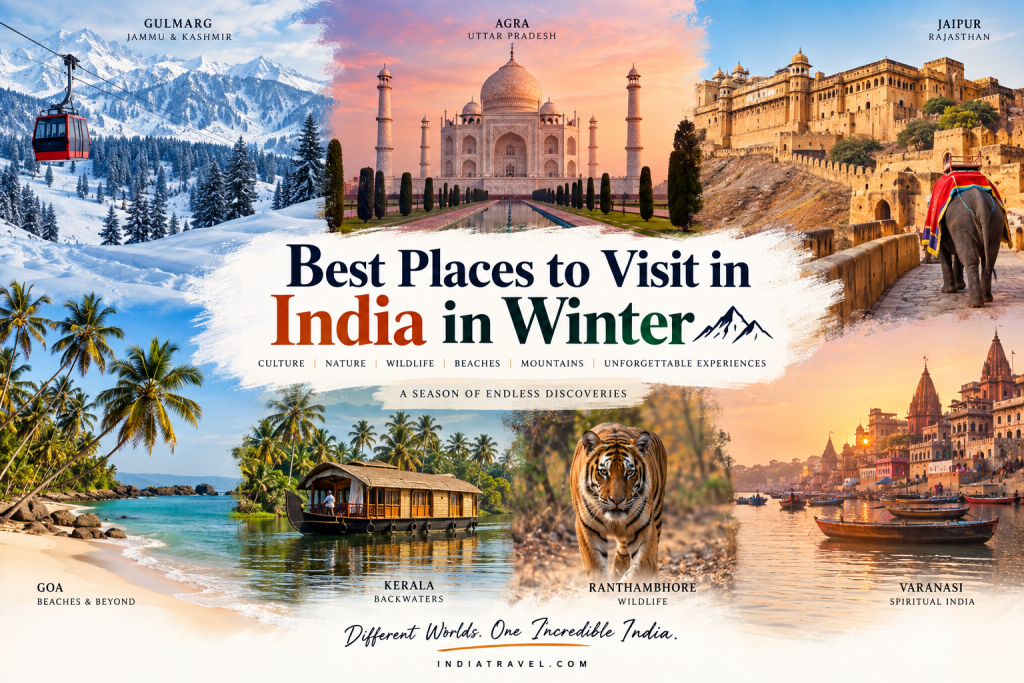
India, a land of mesmerizing diversity, is a treasure trove for travelers. From the snow-capped Himalayas to sun-kissed beaches, ancient forts to serene backwaters, India offers experiences that cater to every traveler’s dream. Whether you are a first-time visitor searching for the best tourist places in India or a seasoned explorer looking for offbeat destinations, this guide lists the top 25 best places to visit in IndiaNorth India Destinations1. Delhi – Historical and Cultural HubDelhi, India’s bustling capital, is a city where history meets modernity. From the majestic Red Fort and Qutub Minar to India Gate and vibrant street markets, Delhi is an essential stop for anyone exploring the best places to visit in India. Don’t miss trying local street food like chaat and parathas while exploring the colorful lanes of Old Delhi.2. Agra – Taj Mahal & Mughal HeritageAgra is home to the world-famous Taj Mahal, a UNESCO World Heritage site and one of the most visited places in India. Explore Agra Fort and Fatehpur Sikri to dive deep into Mughal history. Agra is perfect for travelers seeking heritage and photography opportunities.3. Jaipur – Pink City & Majestic FortsKnown as the Pink City, Jaipur dazzles visitors with Amber Fort, City Palace, and Hawa Mahal. The city is perfect for heritage lovers and those seeking cultural immersion. Markets like Johari Bazaar offer traditional jewelry and handicrafts.4. Shimla – Hill Station EscapeShimla, nestled in Himachal Pradesh, is a popular hill station in India. With colonial architecture, scenic walks on Mall Road, and breathtaking mountain views, Shimla is ideal for summer and winter travelers.5. Manali – Adventure & NatureManali is an adventure lover’s paradise. Trek in Solang Valley, ski at Rohtang Pass, or enjoy river rafting in the Beas River. Manali offers a mix of thrill and natural beauty for travelers looking for offbeat and adventure destinations in India.6. Varanasi – Spiritual Heart of IndiaVaranasi, one of the world’s oldest cities, sits along the banks of the Ganges River. Witness the mesmerizing morning aarti, explore ghats, and experience India’s deep spiritual heritage. Ideal for travelers seeking spiritual tourism in India.South India Destinations7. Kerala – Backwaters & Ayurveda RetreatsKerala, known as “God’s Own Country,” offers peaceful backwaters, houseboat stays, and rejuvenating Ayurveda experiences. Explore Kochi, Munnar tea plantations, and the serene beaches of Varkala. Kerala is perfect for travelers seeking relaxation, wellness, and scenic beauty.8. Goa – Beaches & NightlifeGoa is famous for its sun-soaked beaches, vibrant nightlife, and Portuguese heritage architecture. Ideal for honeymooners, families, and adventure seekers alike, Goa combines relaxation with cultural experiences.9. Tamil Nadu – Temples & CultureExplore Tamil Nadu’s rich heritage with Meenakshi Temple, Brihadeeswara Temple, and vibrant festivals. Temple architecture, classical dance, and cultural rituals make Tamil Nadu one of India’s top cultural destinations.10. Karnataka – Heritage & WildlifeKarnataka offers a perfect blend of ancient ruins in Hampi, palaces in Mysore, and wildlife adventures at Bandipur National Park. Ideal for travelers seeking diversity in experiences.11. Pondicherry – French Colony CharmPondicherry is a serene coastal retreat with French colonial architecture, charming streets, and spiritual centers like Auroville. Perfect for offbeat travelers and those seeking a calm getaway.East India Destinations12. Darjeeling – Tea Gardens & Himalayan ViewsDarjeeling is famous for Darjeeling Tea, toy train rides, and breathtaking Himalayan vistas. Ideal for photography enthusiasts and travelers seeking tranquility in a hill station.13. Sikkim – Scenic & Spiritual RetreatsHome to Gangtok, Tsomgo Lake, and monasteries, Sikkim combines natural beauty and spiritual experiences, making it a must-visit destination in North-East India.14. Meghalaya – Living Root Bridges & WaterfallsMeghalaya offers unique root bridges, waterfalls, and caves, with Shillong and Cherrapunji as key attractions. Perfect for adventure and offbeat travel.15. Odisha – Temples & Tribal HeritageOdisha boasts the Konark Sun Temple, Puri Jagannath Temple, and vibrant tribal culture. A must for cultural explorers in India.16. Assam – Wildlife & Tea GardensVisit Kaziranga National Park for one-horned rhinos, explore lush tea gardens, and experience Assam’s unique culture. Ideal for wildlife and nature enthusiasts.West India Destinations17. Rajasthan – Desert Forts & PalacesRajasthan is a heritage lover’s dream with Jaipur, Jaisalmer, Udaipur, desert safaris, and royal palaces. Perfect for photography and cultural exploration.18. Gujarat – Cultural & Wildlife ToursExplore Gir National Park, Rann of Kutch, and rich Gujarati culture. Gujarat offers unique experiences combining wildlife, heritage, and festivals.19. Mumbai – Urban & Coastal HighlightsMumbai combines city vibes with Gateway of India, Marine Drive, and Bollywood culture. Ideal for short urban getaways.20. Goa – Beaches & Portuguese CultureReinforce Goa’s position as top beach destinations in India. Perfect for internal linking to honeymoon and luxury travel blogs.Adventure & Offbeat Destinations21. Ladakh – High-altitude AdventureLadakh offers trekking, Pangong Lake, and rugged landscapes for thrill-seekers. Ideal for offbeat and adventure tourism in India.22. Spiti Valley – Remote Landscapes & MonasteriesSpiti Valley is known for remote beauty, monasteries, and adventure treks. Perfect for travelers looking for untouched landscapes.23. Ziro Valley – Cultural & Music ExperiencesZiro Valley offers tribal culture, music festivals, and serene landscapes. Ideal for offbeat cultural tourism.24. Rishikesh – Yoga & White Water RaftingRishikesh is a hub for yoga retreats, meditation, and adventure sports. One of the most famous spiritual and adventure destinations in India.25. Kaziranga National Park – Wildlife SafariKaziranga offers safaris to see one-horned rhinos and rich biodiversity. Perfect for wildlife enthusiasts visiting India.FAQs Q1: What are the must-visit destinations in India for first-time travelers? A: First-time travelers should explore Delhi, Agra, Jaipur, Kerala, Goa, and Varanasi, as these destinations cover culture, heritage, beaches, and spirituality.Q2: How many days are enough to explore India? A: For a complete first-time India experience, plan 10–15 days, focusing on one region like North India or South India, or combining heritage and beach destinations.Q3: Is India safe for solo female travelers? A: Yes, but stay in safe accommodations, travel in groups for remote areas, and avoid traveling alone at night in unfamiliar cities. Best destinations include Kerala, Goa, Shimla, and Pondicherry.Q4: What is the best time to visit India? A: October to March is ideal for most regions. Hill stations and

Top 25 Best Places to Visit in India Read More »

Why Every Traveler Should Visit Nagaland During the Hornbill Festival

Why Every Traveler Should Visit Nagaland During the Hornbill Festival

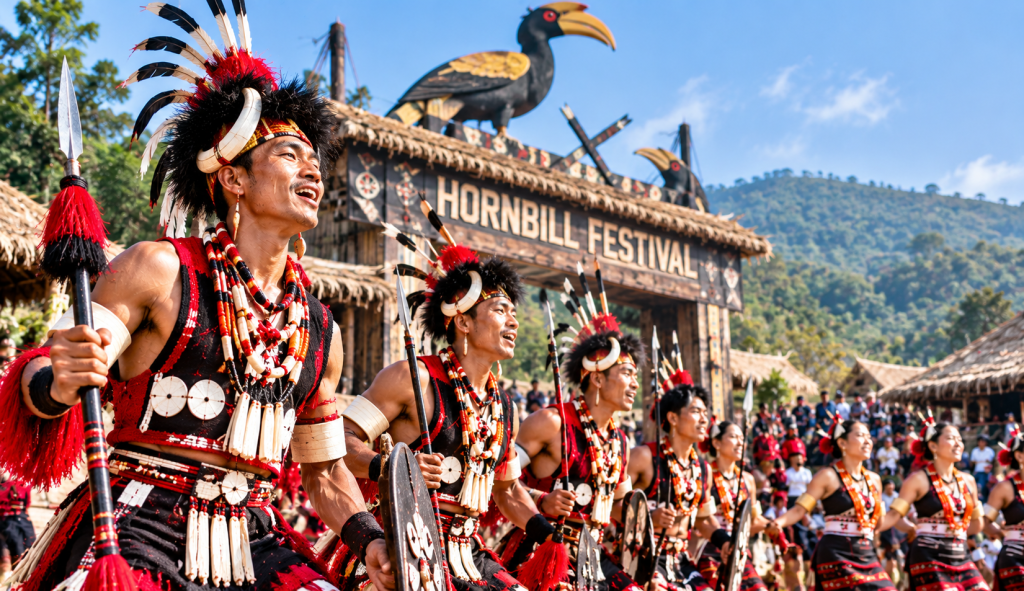
Why Every Traveler Should Visit Nagaland During the Hornbill Festival – A Cinematic Journey Into India’s Last Tribal FrontierWhere the Drums Echo Through the CloudsAs dawn rises over Kohima’s emerald hills, the sound of drums begins to roll across the valleys ancient, rhythmic, alive. The air hums with the scent of bamboo fires and wildflowers. Villagers in vibrant shawls walk down misty paths, carrying the colors of their tribes on their backs.Welcome to Nagaland India’s mystical northeast frontier where every December, sixteen proud tribes gather to celebrate the Hornbill Festival, a ten-day spectacle of dance, music, craft, and unity.This isn’t just a festival. It’s a time capsule a living, breathing window into India’s tribal heart.What is the Hornbill Festival?Held every year from December 1st to 10th at Kisama Heritage Village, near Kohima, the Hornbill Festival is known as the “Festival of Festivals.”It brings together 16 major Naga tribes each distinct in language, attire, and customs in a grand showcase of their art, folklore, and pride. The festival is named after the Hornbill bird, revered in Naga mythology as a symbol of beauty, courage, and honor.From dawn till dusk, the festival ground comes alive with rhythmic war dances, bamboo games, drumbeats, and laughter. Smoke rises from open fires where locals roast meat and serve steaming rice beer. Every sound, every scent, every face tells a story thousands of years old. “In a world racing forward, Nagaland stands still — proud, wild, and beautifully real.” Why Every Traveler Should Experience It OnceA.  Living Museum of CultureAt the Hornbill Festival, you don’t watch a performance you step into one. Sixteen tribes Angami, Ao, Konyak, Chakhesang, Lotha, Phom, Rengma, and more come together in celebration. They dance around fires, sing folk songs that echo through the hills, and share stories of ancestors who once roamed the same mountains.It’s not just art it’s identity. Each dance is a prayer, each costume a symbol of lineage. “I watched as Angami warriors circled the fire their chants rising like thunder. For a moment, time disappeared.” B. A Feast for the SensesForeign travelers often describe Nagaland as Asia’s hidden culinary treasure. Here, food is both heritage and emotion.Taste the smoked pork with bamboo shoot, Axone (fermented soybeans), sticky rice, and the local millet beer, Zutho. Every tribe cooks differently, every dish tells a story of its land.Visitors can even join local cooking sessions or eat inside traditional “Morung” kitchens at the festival grounds. “Each bite tasted like the hills wild, earthy, and alive with memory.” C. When Ancient Drums Meet Electric GuitarsBy day, you’ll hear folk drums and chants. By night, the hills turn electric with the Hornbill International Rock Contest Asia’s largest platform for emerging rock bands.This is Nagaland where heritage meets rebellion, and tradition dances with modernity under the same sky.D. Crafts That Tell StoriesThe festival grounds transform into a living art gallery. You’ll find handwoven shawls, bamboo baskets, wooden masks, bead jewelry, and spears all crafted by local artisans.Every piece is sustainable, locally made, and tied to tribal stories. Buying directly from them supports community-based tourism a beautiful way for foreign visitors to give back.E. The Warmth of Naga HospitalityStay in eco-friendly homestays in Khonoma or Tuophema Village, where hosts welcome you with a smile, a cup of tea, and stories by the fire.At night, you’ll share meals made with love, laugh with locals, and maybe even join a tribal song. “One evening, an elder sang an ancient lullaby. I didn’t understand the words but I understood the soul.”Beyond the Festival – Nagaland’s Hidden TreasuresKhonoma Green Village India’s first green village a model for community-led conservation. Perfect for eco-tourists and photographers.Dzükou Valley Known as the Valley of Flowers of the East. A paradise for trekkers bamboo meadows, caves, and cold mountain streams. At sunrise, the valley glows gold, and clouds drift below your feet.Longwa Village Home of the legendary Konyak tribe, once known as headhunters. Here, the village lies across the India–Myanmar border, and tribal tattoos tell tales of valor and legacy.Tuophema Village Stay in thatched huts, join local dances, and enjoy traditional feasts under the stars.How to Reach Nagaland (For International Travelers)➾ Nearest Airport: Dimapur (connected via Kolkata & Guwahati) ➾ By Train: Dimapur Railway Station ➾ By Road: 3–4 hours’ drive to Kohima ➾ Festival Venue: Kisama Heritage Village (12 km from Kohima) ➾ Visa: Indian e-Visa is sufficient (no restricted area permit needed) Festival Dates: 1st–10th December (annually) Weather: Cool and pleasant (10–20°C)Where to Stay➾ Luxury: Niathu Resort, Vivor Hotel ➾ Boutique: Morung Lodge, Whispering Winds Kohima ➾ Homestays: Khonoma, Tuophema (book early December fills fast!)Travel Tips for Foreign Visitors➾ Carry cash (limited ATMs). ➾ Dress modestly and ask before photographing people. ➾ English is widely spoken. ➾ Try local food but avoid food waste. ➾ Respect customs and tribal rituals. ➾ Be eco-conscious Nagaland champions clean tourism.Combine with a Northeast India AdventureAfter the festival, continue your journey through the wild beauty of Northeast India: ➾ Kaziranga National Park (Assam) – home to one-horned rhinos. ➾ Majuli Island – the world’s largest river island, famous for Vaishnavite monasteries. ➾ Shillong & Cherrapunji (Meghalaya) – waterfalls, caves, and living root bridges.Travel with India Travel — Where Every Journey Feels PersonalFor over 45 years, India Travel (by Shikhar Travels) has been more than a India tour company. we’ve been storytellers of this incredible land. Our journeys are designed not just to show India, but to help you feel it. its warmth, its wisdom, and its wonder.Why Global Travelers Trust India Travel➾ 45+ Years of Expertise — Founded by Captain Swadesh Kumar, a mountaineer and explorer with expeditions across the Himalayas. ➾ Recognized by Govt. of India – Approved by the Ministry of Tourism, and a member of leading travel associations (IATO, IMF, ATOAI). ➾ Safety First — Experienced local guides, verified stays, and curated experiences designed for comfort and cultural sensitivity. ➾ Cultural Immersion — We work hand-in-hand with local communities ensuring your visit supports the people you meet. ➾ Personalized Itineraries —

Why Every Traveler Should Visit Nagaland During the Hornbill Festival Read More »