
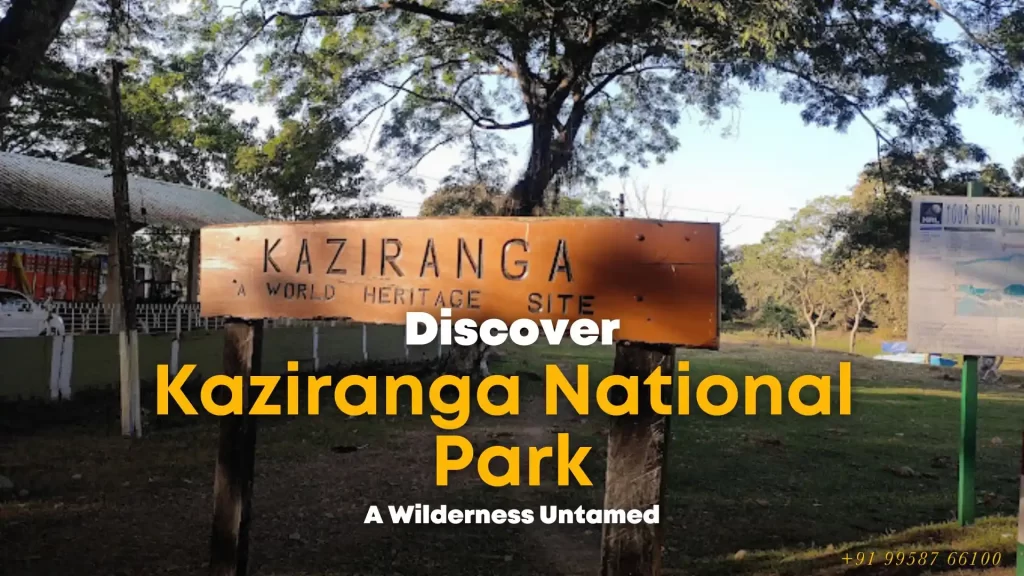
Kaziranga National park

Kaziranga National park

Discovering Kaziranga National Park: A Wilderness Untamed

Kaziranga National Park, a UNESCO World Heritage Site, is a name synonymous with the conservation success story of the one-horned rhinoceros. Situated in the northeastern state of Assam, India, Kaziranga is a place where nature thrives in its purest form. The park’s sprawling grasslands, lush forests, and winding rivers create a sanctuary for a diverse range of wildlife, offering an unparalleled experience for nature lovers and wildlife enthusiasts alike.Kaziranga National Park Location and Accessibility Kaziranga National Park is located in the Nagaon and Golaghat districts of Assam, along the banks of the mighty Brahmaputra River. The park covers an area of approximately 430 square kilometers, encompassing a variety of landscapes, from dense tropical forests to expansive grasslands and wetlands. How to Reach Kaziranga National Park: By Air: The nearest airport is Jorhat Airport, about 97 km away. Guwahati’s Lokpriya Gopinath Bordoloi International Airport, approximately 217 km from Kaziranga, is a more accessible option with frequent flights. By Rail: The nearest railway station is Furkating, about 75 km from the park. Guwahati Railway Station is another major railhead, around 240 km away. By Road: Kaziranga is well-connected by road to Guwahati, Jorhat, and other major cities in Assam. State-run buses, private taxis, and rental cars are readily available. Book Now: Kaziranga National park Tour with Manas and Nameri Park Best Time to Visit Kaziranga: Kaziranga is open to visitors from November to April, with the winter months offering the best weather conditions for wildlife viewing. The park remains closed during the monsoon season (May to October) due to heavy rainfall and flooding.Flora and FaunaFlora: Kaziranga’s diverse vegetation is one of its most striking features. The park’s landscape is dominated by tall elephant grass, which provides perfect cover for the park’s herbivores. The alluvial grasslands are interspersed with tropical moist mixed deciduous forests, where species like Indian gooseberry, elephant apple, and cotton tree thrive. The numerous water bodies and wetlands within the park are adorned with beautiful water lilies and aquatic plants. Fauna: Kaziranga is renowned for its rich and varied wildlife. The park’s most famous resident is the Indian one-horned rhinoceros, with Kaziranga hosting the largest population of this species in the world. The park is also home to: Bengal Tigers: Kaziranga has one of the highest densities of tigers among protected areas in India. Asian Elephants: These gentle giants roam the grasslands and forests in large herds. Wild Water Buffaloes: Kaziranga is a stronghold for these impressive creatures, known for their massive horns. Birds: The park is a birdwatcher’s paradise, with over 500 species, including the endangered Bengal florican, great hornbill, and Pallas’s fish eagle. Kaziranga is known for One-Horned Rhinoceros The one-horned rhinoceros is the symbol of Kaziranga National Park. These prehistoric-looking animals are the stars of the park, and conservation efforts have been highly successful in bringing them back from the brink of extinction. A visit to Kaziranga offers the rare opportunity to see these magnificent creatures up close, particularly during early morning and late afternoon safaris when they are most active.Unique Experiences in Kaziranga Jeep Safaris: Jeep safaris are the most popular way to explore Kaziranga’s vast landscapes. The park is divided into four main zones: Central (Kohora), Western (Bagori), Eastern (Agoratoli), and Burapahar. Each zone offers a unique experience, with the Central and Western ranges being particularly famous for rhino sightings. The open-top jeeps provide an excellent vantage point for wildlife photography and observation. Elephant Safaris: For a truly unique experience, embark on an elephant safari in the early morning. Riding on the back of an elephant allows you to get closer to the park’s wildlife, especially the rhinos, as these gentle giants wade through the tall grasses. This experience offers a different perspective of the park’s terrain and its inhabitants. Bird Watching: Kaziranga is a haven for birdwatchers. The Eastern range, in particular, is known for its rich avian diversity. Bring along a pair of binoculars and a good camera to capture the vibrant birdlife, including pelicans, storks, eagles, and many migratory species. Suggested Tour: Kaziranga National Park Tour Conclusion Kaziranga National Park is more than just a destination; it’s a testament to the power of conservation and the beauty of the natural world. From the iconic one-horned rhinoceros to the majestic Bengal tiger, the park offers a wildlife experience that is both thrilling and humbling. Whether you’re an avid photographer, a nature enthusiast, or simply seeking a break from the hustle and bustle of city life, Kaziranga promises a connection with nature that you’ll never forget.

Discovering Kaziranga National Park: A Wilderness Untamed Read More »

Sundarban National Park

Exploring the Mystical Sundarban National Park

Nestled at the southern tip of West Bengal, India, the Sundarban National Park is a mesmerizing labyrinth of rivers, creeks, and dense mangrove forests. Recognized as a UNESCO World Heritage Site, this unique ecosystem is not only the largest mangrove forest in the world but also a critical habitat for the endangered Royal Bengal Tiger. The Sundarbans offer an unparalleled experience for nature lovers, wildlife enthusiasts, and those seeking to explore the raw beauty of one of the most biodiverse regions on the planet.Geographical Location and Accessibility The Sundarban National Park spans across the delta formed by the confluence of the Ganges, Brahmaputra, and Meghna rivers, straddling the border between India and Bangladesh. The Indian part of the Sundarbans is located in the southern part of West Bengal and is easily accessible from Kolkata, the state capital.How to Reach: By Air: The nearest airport is Netaji Subhas Chandra Bose International Airport in Kolkata, about 112 km away. By Rail: Canning is the nearest railway station, around 48 km from the Sundarbans, with regular trains from Kolkata. By Road: The park is well-connected by road to Kolkata and other parts of West Bengal. Visitors can drive or take a bus to Godkhali, the gateway to the Sundarbans, from where boat services are available. Best Time to Visit: The ideal time to explore the Sundarbans is between November and March, when the weather is pleasant and the chances of spotting wildlife, including the elusive Royal Bengal Tiger, are higher.Flora and FaunaFlora: Kaziranga’s diverse vegetation is one of its most striking features. The park’s landscape is dominated by tall elephant grass, which provides perfect cover for the park’s herbivores. The alluvial grasslands are interspersed with tropical moist mixed deciduous forests, where species like Indian gooseberry, elephant apple, and cotton tree thrive. The numerous water bodies and wetlands within the park are adorned with beautiful water lilies and aquatic plants. Fauna: Kaziranga is renowned for its rich and varied wildlife. The park’s most famous resident is the Indian one-horned rhinoceros, with Kaziranga hosting the largest population of this species in the world. The park is also home to: Bengal Tigers: Kaziranga has one of the highest densities of tigers among protected areas in India. Asian Elephants: These gentle giants roam the grasslands and forests in large herds. Wild Water Buffaloes: Kaziranga is a stronghold for these impressive creatures, known for their massive horns. Birds: The park is a birdwatcher’s paradise, with over 500 species, including the endangered Bengal florican, great hornbill, and Pallas’s fish eagle. The Indian One-Horned Rhinoceros: Kaziranga’s IconThe one-horned rhinoceros is the symbol of Kaziranga National Park. These prehistoric-looking animals are the stars of the park, and conservation efforts have been highly successful in bringing them back from the brink of extinction. A visit to Kaziranga offers the rare opportunity to see these magnificent creatures up close, particularly during early morning and late afternoon safaris when they are most active. Unique Experiences in Kaziranga Jeep Safaris: Jeep safaris are the most popular way to explore Kaziranga’s vast landscapes. The park is divided into four main zones: Central (Kohora), Western (Bagori), Eastern (Agoratoli), and Burapahar. Each zone offers a unique experience, with the Central and Western ranges being particularly famous for rhino sightings. The open-top jeeps provide an excellent vantage point for wildlife photography and observation. Elephant Safaris: For a truly unique experience, embark on an elephant safari in the early morning. Riding on the back of an elephant allows you to get closer to the park’s wildlife, especially the rhinos, as these gentle giants wade through the tall grasses. This experience offers a different perspective of the park’s terrain and its inhabitants. Bird Watching: Kaziranga is a haven for birdwatchers. The Eastern range, in particular, is known for its rich avian diversity. Bring along a pair of binoculars and a good camera to capture the vibrant birdlife, including pelicans, storks, eagles, and many migratory species. Conservation Efforts and ChallengesKaziranga is a shining example of successful wildlife conservation. The park’s management, with support from various national and international organizations, has implemented strict anti-poaching measures and habitat restoration programs. However, the park faces ongoing challenges, including human-wildlife conflict, encroachment, and the impacts of climate change. Flooding during the monsoon season is a significant concern, as it can lead to the displacement of wildlife and damage to the park’s infrastructure.Sustainable Tourism in KazirangaTourism in Kaziranga is carefully regulated to minimize its impact on the environment. Visitors are encouraged to follow eco-friendly practices, such as avoiding plastic, respecting wildlife by maintaining a safe distance, and supporting local conservation initiatives. Staying at eco-resorts and participating in community-based tourism activities helps ensure that tourism benefits the local economy while preserving the park’s natural resources.Practical InformationAccommodation: Kaziranga offers a range of accommodation options, from luxury resorts to budget-friendly lodges and guesthouses. Many of these establishments are located near the park’s main entrance gates, offering easy access to the safari zones.Travel Tips: Packing: Bring light clothing, sunscreen, insect repellent, and a hat for sun protection. Binoculars and a camera with a zoom lens are essential for wildlife viewing. Health Precautions: Malaria is present in the region, so taking preventive measures is advisable. Carry basic first aid supplies and any necessary medications. Safety Guidelines: Follow the instructions of your safari guide at all times. Do not attempt to feed or approach wildlife, and avoid making loud noises that could disturb the animals. Suggested Itinerary: https://indiatravel.com/manas-nameri-and-kaziranga-national-parks-tour/Conclusion Kaziranga National Park is more than just a destination; it’s a testament to the power of conservation and the beauty of the natural world. From the iconic one-horned rhinoceros to the majestic Bengal tiger, the park offers a wildlife experience that is both thrilling and humbling. Whether you’re an avid photographer, a nature enthusiast, or simply seeking a break from the hustle and bustle of city life, Kaziranga promises a connection with nature that you’ll never forget.

Exploring the Mystical Sundarban National Park Read More »