Is india worth visiting for americans?. Every year, millions of American travelers pull up Google and type the same question: is India worth visiting? The short answer is yes and it’s not even close. India is the kind of destination that fundamentally rewires how you think about travel.
But let’s be honest. Most Americans weighing an international trip aren’t comparing India to Europe anymore. They’re comparing it to Southeast Asia Thailand, Vietnam, Bali. Those destinations feel safer, more “Instagrammable” and easier to navigate. So why should India be on your radar instead?
Here are 15 reasons Americans are choosing India in 2026 and why the hesitation is costing you the trip of a lifetime.
1. Your Dollar Stretches Further Than Anywhere Else
India delivers jaw-dropping value for money that makes even Thailand and Bali look expensive. A five-star heritage hotel in Rajasthan runs $80–150 a night. A private car with a driver for an entire day costs $25–40. A world-class meal at a top restaurant in Delhi or Mumbai rarely crosses $30 per person.
Compare that to Bali, where a decent villa now runs $150–250 a night, or Thailand, where Bangkok hotel prices have climbed steadily since 2023. India hasn’t just kept its value it’s widened the gap. is india worth visiting for american? india offers rich culture, food, and travel experience For Americans watching exchange rates, the Indian Rupee consistently offers more purchasing power per dollar than the Thai Baht or Indonesian Rupiah when you factor in the quality of what you’re buying.
2. The Taj Mahal Is Not Overhyped — It’s Underhyped
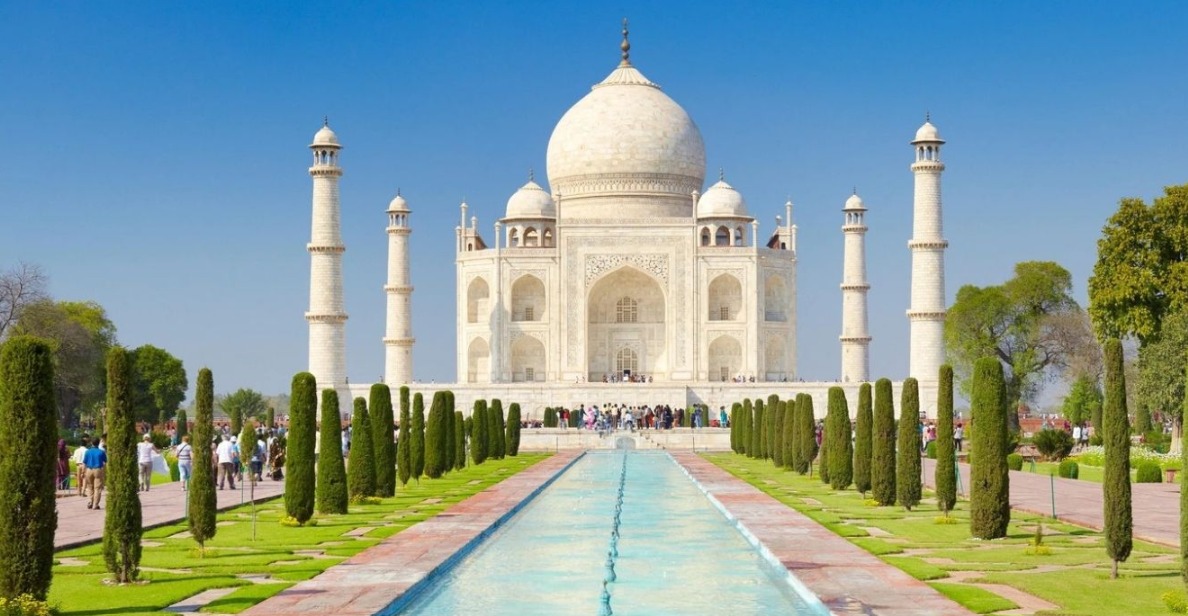
Most travelers expect to be underwhelmed by the Taj Mahal. They’ve seen the photos a thousand times. Then they stand in front of it at sunrise, and every single one of them says the same thing: no picture does it justice.
The Taj Mahal is one of the few monuments on earth that genuinely exceeds expectations. The inlay work, the way the marble changes color with the light, the symmetry it’s a sensory experience that photographs simply cannot capture. And unlike the Mona Lisa or the Pyramids, you can spend hours here without feeling rushed or roped off.
For American travelers, Agra is a natural starting point. Pair it with Delhi and Jaipur on the Golden Triangle route and you’ve got a week-long trip that delivers more cultural density than a month in Southeast Asia.
3. India’s Food Scene Destroys Every Competitor
Thailand’s street food gets all the glory. Bali’s smoothie bowls dominate Instagram. But ask any serious food traveler the chef, the food writer, the Anthony Bourdain devotee and they’ll tell you India’s culinary landscape is unmatched.
Every 200 kilometers the cuisine changes completely. The creamy butter chicken of Delhi has nothing in common with the tangy fish curries of Kerala. Hyderabadi biryani is a different universe from a Kolkata kathi roll. And the street food chaat in Old Delhi, dosas in Bengaluru, vada pav in Mumbai costs pennies and delivers flavors you will remember for years.
India isn’t just a food destination. It is arguably the single greatest food destination on the planet. And for American travelers used to the Americanized versions of Indian food, eating the real thing is genuinely revelatory. Is india worth visiting for americans.
4. Spiritual Depth That Southeast Asia Can’t Match
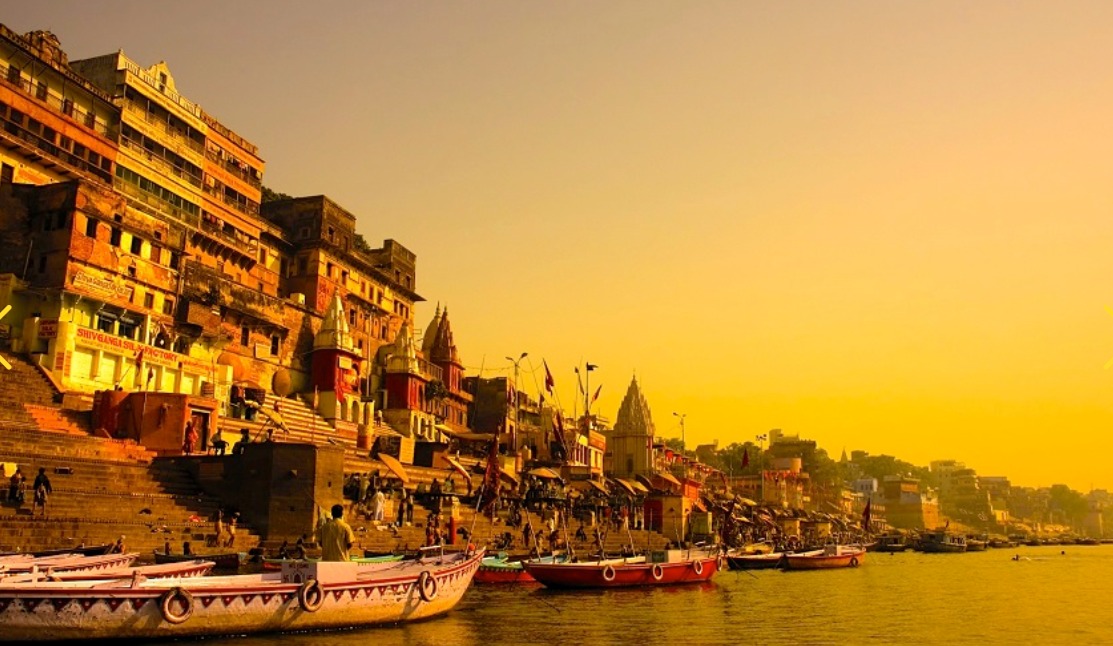
Bali has beautiful temples. Thailand has serene monasteries. But India is where the spiritual traditions were born. Hinduism, Buddhism, Jainism, Sikhism four major world religions originated here, and their living practices are woven into everyday life in a way that feels authentic rather than performative.
Attend the Ganga Aarti ceremony in Varanasi at sunset. Meditate at a Vipassana center in Dharamshala where the Dalai Lama lives. Walk through the Golden Temple in Amritsar, where 100,000 people are fed for free every single day regardless of faith, nationality or background. These aren’t tourist experiences. They’re encounters with traditions that have been continuous for thousands of years.
For Americans seeking meaning beyond sightseeing, India offers a depth of spiritual experience that no other country can replicate.
5. Wildlife Safaris That Rival Africa at a Fraction of the Cost
Most Americans don’t associate India with wildlife safaris. That’s a mistake. India is home to Bengal tigers, Asiatic lions, one-horned rhinoceroses, snow leopards, wild elephants and over 1,300 bird species.
A tiger safari in Ranthambore or Jim Corbett National Park costs a fraction of what you’d pay in Kenya or Tanzania and the chance of spotting a tiger in the wild is actually higher in certain Indian parks. Kaziranga in Assam offers rhino sightings that are almost guaranteed. And the Andaman Islands deliver snorkeling and diving that stands up against anything in Southeast Asia.
India has 100+ national parks and 500+ wildlife sanctuaries. The biodiversity per dollar is simply unbeatable.
6. The Diversity Is Staggering — One Country, Fifty Trips
Here’s what makes India fundamentally different from Thailand, Vietnam or Bali: it’s not one destination. It’s a continent masquerading as a country.
Snow-capped Himalayan peaks in Ladakh. Tropical backwaters in Kerala. Desert fortresses in Rajasthan. French colonial charm in Pondicherry. Pristine beaches in Goa. Bustling megacities like Mumbai and Delhi. Tea plantations in Darjeeling. Tribal villages in Northeast India that feel like a hidden corner of Southeast Asia. Is india worth visiting for americans.
You could visit India ten times and have ten completely different trips. No other country on earth offers that range within a single visa.
7. Direct Flights From the US Make It Easier Than Ever
One of the biggest reasons Americans skipped India in the past was the hassle of getting there. That’s changed dramatically. Nonstop flights from New York, Chicago, San Francisco and other major US cities to Delhi and Mumbai now run daily on multiple airlines. Flight times are comparable to flying to Southeast Asia roughly 14–17 hours and fares have become increasingly competitive.
The Indian e-Visa process is straightforward and can be completed online in minutes. No embassy visit required. For Americans used to the visa-on-arrival convenience of Thailand or Bali, India has closed that gap significantly. Is India Worth Visiting For Americans.
8. Heritage and History That Goes Back 5,000 Years
India has 42 UNESCO World Heritage Sites more than Thailand, Vietnam, Indonesia and Cambodia combined. From the cave temples of Ajanta and Ellora to the sun temple of Konark, from Hampi’s ruined Vijayanagara empire to the living forts of Rajasthan, India’s historical depth is almost incomprehensible.
For American history buffs, this is the draw. You’re not visiting monuments. You’re walking through layers of civilization Mughal, Rajput, Dravidian, British Colonial, Buddhist that overlap and interweave across millennia. Southeast Asia has stunning temples, but India has an entire civilizational timeline laid bare.
9. The People Make the Trip
Ask anyone who’s been to India what surprised them most, and the answer is almost always the same: the people. Indians are famously hospitable, curious about Americans and genuinely eager to share their culture.
You’ll get invited to tea by strangers. Shopkeepers will spend an hour explaining the history of their craft. Families will insist you join them for a meal. This isn’t transactional hospitality designed for tourists it’s cultural DNA. And it creates the kind of human connection that no resort in Bali or beach bar in Thailand can replicate. Is india worth visiting for americans.
10. Adventure Travel Without the Premium Price Tag
Trekking in the Himalayas, white-water rafting in Rishikesh, paragliding in Bir Billing, motorcycle touring in Ladakh, surfing in Varkala India’s adventure travel scene is booming, and the prices are absurdly accessible.
A 10-day Himalayan trek with guides, porters, meals and camping costs less than a three-day guided hike in Patagonia. Rishikesh offers Grade IV rapids for $15–20 per session. And Ladakh’s motorcycle routes are consistently ranked among the most epic road trips on the planet.
11. The Shopping Is Unreal
From hand-block-printed textiles in Jaipur to Pashmina shawls in Kashmir, from handloom silks in Varanasi to leather goods in Kolkata, India’s artisan economy is vast and thriving. You’re buying directly from makers and craftspeople, not mass-produced souvenirs.
For American travelers who value craftsmanship and want to bring home something genuinely special, India’s markets and boutiques offer an experience that Southeast Asia’s night markets simply cannot match in terms of quality and variety.
12. Wellness and Ayurveda — the Original
Bali sells wellness. India invented it. Ayurveda, yoga, meditation these practices originated in India and are still practiced here in their most authentic forms.
A two-week Panchakarma detox at a top Kerala Ayurveda resort costs less than a long weekend at a wellness retreat in Sedona. Yoga teacher training programs in Rishikesh (the world capital of yoga) attract thousands of Americans annually. And the results aren’t spa-day superficial these are deep, medically grounded wellness traditions.
13. India’s Luxury Tier Is World-Class
The assumption that India is only a budget destination is flatly wrong. The Oberoi, Taj Hotels and ITC hotel groups operate properties that compete with the best in the world. Rajasthan’s palace hotels actual converted royal palaces offer a luxury experience that has no equivalent anywhere.
The Palace on Wheels and Maharajas’ Express luxury trains are moving five-star hotels. Private guided heritage walks, curated culinary experiences, helicopter tours over the Himalayas india’s premium travel tier has matured rapidly and delivers exceptional quality. Is india worth visiting for americans.
14. Festivals That Turn the Country Into a Celebration
Holi, Diwali, Pushkar Camel Fair, Kumbh Mela, Onam, Durga Puja, Jaipur Literature Festival India has a festival calendar that runs year-round and delivers experiences you simply cannot get elsewhere.
Imagine throwing colors during Holi in Mathura. Watching a million oil lamps light up the ghats of Varanasi during Dev Deepawali. Experiencing the sheer scale of Kumbh Mela, the largest human gathering on earth. These are not tourist events they are living cultural celebrations, and participating in them is transformative.
15. The “Difficulty” Is the Point
Let’s address the elephant in the room. Yes, India is more challenging than Thailand or Bali. The sensory overload is real. The traffic is chaotic. The infrastructure outside major cities can be uneven. Some travelers find it overwhelming on day one.
But here’s what experienced travelers will tell you: the challenge is exactly what makes India unforgettable. India doesn’t let you be a passive tourist. It demands engagement. It pushes you outside your comfort zone. And the reward for leaning into that discomfort is a travel experience so rich, so layered, so deeply human that it ruins easier destinations for you forever.
The Americans who choose India in 2026 aren’t choosing the easy trip. They’re choosing the meaningful one. Is india worth visiting for americans.
Frequently Asked Questions
Is India safe for American tourists?
India is broadly safe for American tourists, particularly on well-traveled routes like the Golden Triangle (Delhi–Agra–Jaipur), Kerala, Rajasthan and Goa. Standard travel precautions apply use registered taxis, stay aware of your surroundings in crowded areas and keep valuables secure. Millions of international tourists visit India safely every year, and the tourism infrastructure in major destinations is well-established.
Is India cheaper than Thailand or Bali?
In most categories, yes. Accommodation, food, domestic transport and guided experiences in India cost 30–50% less than equivalent options in Thailand or Bali, particularly at the mid-range and luxury tiers. The Indian Rupee’s exchange rate against the US Dollar consistently delivers strong purchasing power for American travelers.
How many days do you need in India?
A minimum of 10–14 days is recommended for a first trip to India. This allows enough time to cover a focused itinerary (such as the Golden Triangle plus one additional region) without feeling rushed. India rewards slower travel two weeks lets you absorb the depth of each destination rather than skimming the surface.
What is the best time to visit India from the US?
October through March is the peak travel season for most of India, offering pleasant weather across Rajasthan, Kerala, Goa and the major cultural cities. The Himalayan regions are best visited from April to June and September to October. Monsoon season (July–September) brings lush landscapes to Kerala and the northeast but makes some areas less accessible.
Ready to plan your India trip? Whether you want a curated golden triangle experience, a wildlife safari adventure or a deep spiritual journey, India has an itinerary waiting for you. Start planning your 2026 India trip today.