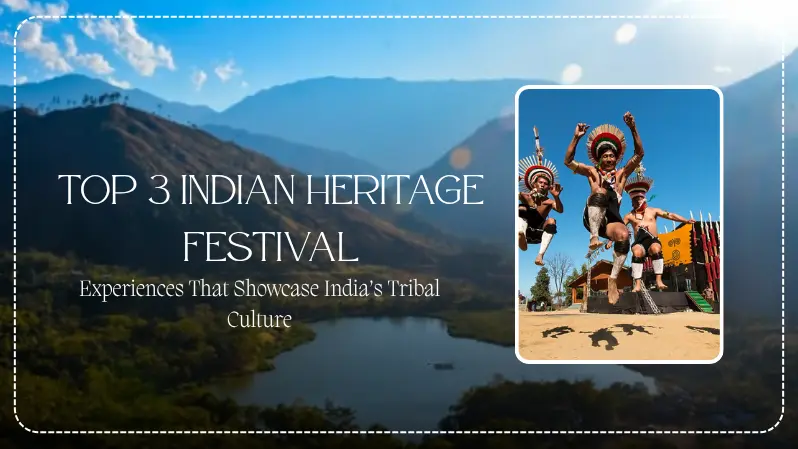
India is a land of ancient traditions, spiritual diversity, and vibrant communities, but beyond the mainstream celebrations lies a deeper cultural world waiting to be explored. If you truly want to experience an authentic indian heritage festival, Northeast India and the Himalayan region offer some of the most extraordinary cultural celebrations in the country. Among them, the Hornbill Festival, Hemis Festival, and Aoleang Monyu Festival stand out as powerful symbols of indigenous identity, tribal traditions, and living heritage.
These festivals are not just annual events — they are cultural narratives passed through generations. They preserve local customs, ancient rituals, traditional attire, folk music, tribal dances, and spiritual beliefs that continue to shape regional identities even in the modern era. For travelers looking for immersive cultural tourism experiences, these festivals provide an opportunity to witness India beyond popular tourist circuits.
From the Buddhist monasteries of Ladakh to the warrior tribes of Nagaland, every indian heritage festival tells a unique story about community, spirituality, and cultural preservation.
Hornbill Festival: The Most Famous Indian Heritage Festival of Nagaland
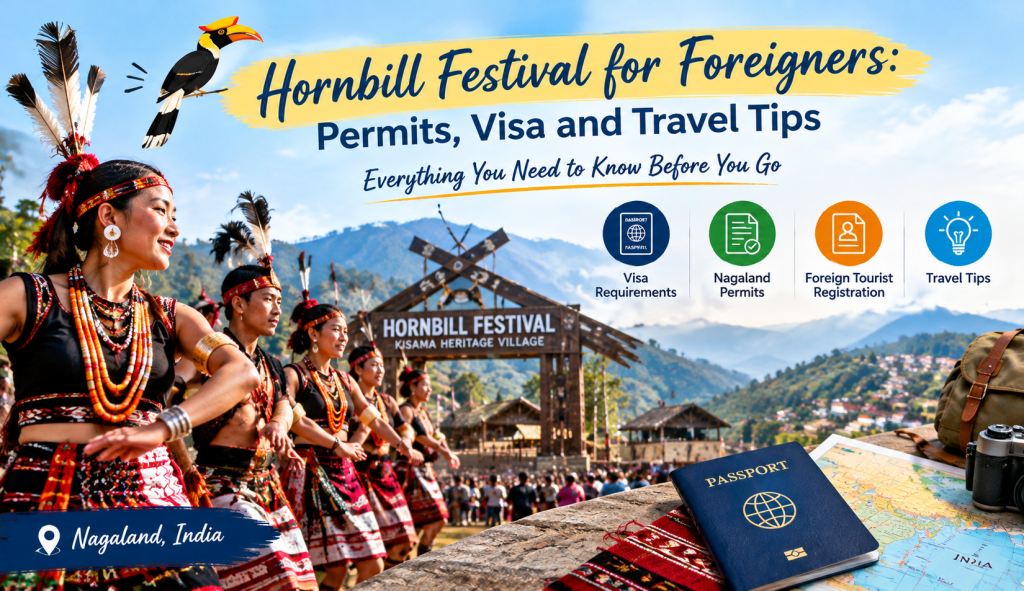
Among all tribal celebrations in India, the Hornbill Festival has gained international recognition as one of the country’s most spectacular cultural gatherings. Held every year from 1st to 10th December at Kisama Heritage Village near Kohima, this festival brings together all major Naga tribes on a single platform.
Known as the “Festival of Festivals,” Hornbill Festival celebrates the rich heritage of Nagaland through traditional dance performances, indigenous games, tribal ceremonies, local cuisine, handicrafts, and folk music. The festival is named after the Great Indian Hornbill bird, which holds cultural significance in Naga folklore and traditions.
What makes is its authenticity. Visitors witness real tribal traditions rather than staged tourist performances. Every tribe arrives in traditional attire decorated with beads, feathers, headgear, and handcrafted ornaments that reflect centuries-old customs.
The festival also serves as a platform for preserving endangered tribal traditions and promoting cultural tourism in Northeast India. Travelers can explore Naga food stalls, witness warrior dances, enjoy rock concerts, and interact with local communities to understand the cultural diversity of the region.
Hemis Festival: A Spiritual Indian Heritage Festival of Ladakh
Located in the breathtaking landscapes of Ladakh, the Hemis Festival is one of the most important Buddhist celebrations in India. Held annually at Hemis Monastery, this vibrant festival commemorates the birth anniversary of Guru Padmasambhava, also known as Guru Rinpoche, who played a major role in spreading Buddhism across the Himalayan region.
Unlike tribal festivals focused on warrior traditions, Hemis Festival represents the spiritual side of an indian heritage festival. Monks dressed in elaborate silk costumes and colorful masks perform sacred Cham dances inside the monastery courtyard. These masked dances symbolize the triumph of good over evil and are deeply rooted in Buddhist philosophy.
Thousands of pilgrims, monks, photographers, and international travelers visit Ladakh during the festival to witness its spiritual atmosphere and ancient rituals. Traditional music played using drums, long horns, and cymbals creates a mystical experience that reflects centuries-old Himalayan culture.
The Hemis Festival is also important for preserving Tibetan Buddhist traditions in the region. Monastery rituals, thangka displays, prayer ceremonies, and local cultural performances make it one of India’s most spiritually enriching heritage experiences.
Apart from the festival itself, travelers visiting Ladakh can explore monasteries, high-altitude lakes, mountain passes, and traditional Ladakhi villages that showcase Himalayan heritage and Buddhist culture.
Aoleang Monyu Festival: Celebrating the New Year of the Konyak Tribe
The Aoleang Monyu Festival is one of the most unique tribal celebrations in Northeast India. Celebrated by the Konyak tribe of Nagaland during the first week of April, this festival marks the arrival of spring and the beginning of the traditional new year after the completion of sowing activities.
The Konyaks are known for their fascinating warrior history, facial tattoos, traditional jewelry, and rich tribal customs. During Aoleang Monyu Festival, villages across Mon District come alive with colorful celebrations, ceremonial feasts, folk dances, and community rituals.
As an authentic indian heritage festival, Aoleang Monyu offers travelers a rare opportunity to witness one of India’s oldest tribal cultures. Men wear traditional warrior attire decorated with boar tusks, feathers, brass skull necklaces, and handmade accessories, while women showcase beautifully woven tribal garments and beadwork.
The festival is deeply connected with agriculture, prosperity, and community bonding. Traditional songs, rice beer ceremonies, indigenous cooking, and local performances create a cultural atmosphere rarely experienced elsewhere in India.
For photographers, anthropologists, and heritage travelers, Aoleang Monyu Festival is considered one of the most visually rich and culturally immersive tribal experiences in Asia.
Why These Festivals Represent the True Spirit of Indian Heritage
India’s cultural identity is not limited to monuments and historical sites. The real essence of heritage lives within communities that continue to preserve their traditions through festivals, rituals, music, and storytelling.
These celebrations are important because they:
- Preserve indigenous traditions and languages
- Promote sustainable cultural tourism
- Support local artisans and tribal communities
- Protect ancient rituals from disappearing
- Introduce global travelers to authentic Indian culture
Every indian heritage festival reflects a different aspect of India’s diversity. Hornbill Festival highlights tribal unity, Hemis Festival reflects spiritual heritage, while Aoleang Monyu celebrates warrior traditions and agricultural culture.
Together, these festivals create a deeper understanding of India’s cultural richness beyond mainstream tourism.
Best Time to Attend These Indian Heritage Festival
Hornbill Festival
- Location: Kisama Heritage Village, Nagaland
- Dates: 1st–10th December
Hemis Festival
- Location: Hemis Monastery, Ladakh
- Dates: Usually June or July based on the Tibetan lunar calendar
Aoleang Monyu Festival
- Location: Mon District, Nagaland
- Dates: First week of April
Travelers planning a cultural tour of India can combine these festivals with regional sightseeing experiences for a more immersive journey.
Places to Visit Along With These Heritage Festivals
Near Hornbill Festival
- Kohima
- Dzukou Valley
- Khonoma Village
Near Hemis Festival
- Leh
- Pangong Lake
- Nubra Valley
- Thiksey Monastery
Near Aoleang Monyu Festival
- Mon Village
- Longwa Village
- Konyak tribal settlements
These destinations help travelers understand the local lifestyle, architecture, spirituality, and traditions connected with each indian heritage festival.
Cultural Tourism in India is Growing Rapidly
Modern travelers are increasingly searching for meaningful experiences instead of ordinary vacations. Heritage tourism, tribal tourism, and experiential travel are becoming major trends in India’s tourism industry.
Festivals like Hornbill, Hemis, and Aoleang Monyu attract:
- International tourists
- Documentary filmmakers
- Travel photographers
- Cultural researchers
- Adventure travelers
- Spiritual seekers
These events offer immersive experiences that connect travelers with local communities and authentic traditions.
Conclusion
If you want to witness the true cultural soul of India, attending an indian heritage festival should be part of your travel bucket list. The Hornbill Festival, Hemis Festival, and Aoleang Monyu Festival each represent a unique dimension of India’s heritage — tribal unity, spiritual wisdom, and indigenous traditions.
From the monasteries of Ladakh to the tribal villages of Nagaland, these festivals preserve centuries-old customs while welcoming travelers from around the world. They are not merely celebrations; they are living museums of India’s cultural diversity.
For travelers seeking authentic experiences, heritage exploration, photography opportunities, and cultural immersion, these festivals offer journeys that go far beyond sightseeing.
FAQs About Indian Heritage Festivals
The Hornbill Festival in Nagaland is considered one of the most famous and internationally recognized tribal heritage festivals in Northeast India.
Hemis Festival is known for its sacred Buddhist masked dances, monastery rituals, and spiritual celebrations honoring Guru Padmasambhava.
Aoleang Monyu Festival celebrates the traditional new year and agricultural cycle of the Konyak tribe while preserving ancient tribal customs.
Hornbill Festival and Aoleang Monyu Festival are highly popular among photographers because of their colorful tribal attire, rituals, and traditional performances.
Yes, international tourists regularly attend Hornbill Festival, Hemis Festival, and Aoleang Monyu Festival as part of cultural tourism experiences in India.
The best months for heritage festival tourism in India are April, June–July, and December, when these major festivals take place.
Yes, these festivals are generally safe and well-organized for domestic and international travelers.
These festivals preserve local traditions, support indigenous communities, promote cultural awareness, and encourage sustainable tourism in remote regions of India.