
admin

Is India safe to travel for Americans in 2026 Honest answer covering safe regions, areas to avoid, tips for solo women, families & first-timers. Updated guide by India Travel experts.

Is India Safe to Travel for Americans in 2026?

You’ve been dreaming about India the Taj Mahal at sunrise, the colors of Rajasthan, the backwaters of Kerala, the chaos and magic of Varanasi. But before you book, you want to know the honest answer to one question: Is India actually safe for Americans? The short answer: Yes for the vast majority of India, and for most types of travelers, it is safe to visit. Millions of Western tourists visit India every year without incident. But like any destination, it requires the right preparation. And there are specific regions and situations you need to know about. This guide gives you the real picture not the overly cautious warnings, not the rose colored travel brochure version. Just the facts, so you can make an informed decision and have the best possible trip.   Quick Summary for India Tour The U.S. State Department issues a Level 2 (“Exercise Increased Caution”) advisory for India. This is the same level applied to popular destinations like France, Italy, and Germany it does not mean “don’t go.” Most major tourist destinations in India Rajasthan, Kerala, Goa, Tamil Nadu, Agra, Mumbai, Delhi are actively visited by thousands of Americans every year with no problems. A small number of regions near borders or with active unrest should be avoided.   What the U.S. Government Actually Says About India The U.S. Department of State rates India at Level 2: Exercise Increased Caution. This is an important distinction India is NOT rated Level 3 (Reconsider Travel) or Level 4 (Do Not Travel) for most of the country. However, specific regions carry higher warnings Region Advisory Level Reason Jammu & Kashmir (except Leh/Ladakh) Level 4 — Do Not Travel Terrorism and civil unrest India-Pakistan Border Level 4 — Do Not Travel Potential armed conflict Parts of Central & East India (Maoist areas) Level 4 — Do Not Travel Naxalite (Maoist) extremist activity Some Northeastern States Level 3 — Reconsider Terrorism and isolated violence Delhi, Agra, Rajasthan, Goa, Kerala, Tamil Nadu, Mumbai, Ladakh (Leh) Level 2 — Caution Main tourist areas — safe with standard precautions   The key takeaway: every destination your India Travel tour takes you to — Golden Triangle, Rajasthan, Kerala, Goa, Ladakh falls in the safe zone. The Level 4 regions are far from any standard tourist itinerary.   2. The Real Risks for American Tourists Here is what actually affects travelers, ranked by how likely it is to impact your trip:   1 Most Common Risk: Petty Theft & Scams This is the number-one thing to watch for. Pickpockets operate in crowded markets, train stations, airports, and around major monuments. Bag-snatching, purse-slitting, and elaborate tourist scams (fake guides, gem export schemes, “closed” monuments) are the most reported issues by foreign travelers. Always use a money belt or anti-theft bag under your clothing Keep passport in your hotel safe, carry a photocopy instead Book guides and taxis only through your hotel or a reputable tour operator If someone approaches you with an unsolicited “deal” walk away Use official prepaid taxi counters at airports, or Uber/Ola apps 2 Food & Water Safety Traveler’s stomach is the most common health issue Americans face in India. The water supply is not safe to drink directly from the tap. Drink ONLY bottled or filtered water including for brushing teeth Avoid raw salads, unpeeled fruits, and street food from unhygienic stalls Eat at busy local restaurants (high turnover = fresh food) or your hotel restaurant Carry oral rehydration salts and basic stomach medicines your doctor can prescribe them before departure The CDC recommends visiting a travel clinic 4–6 weeks before your trip for vaccinations (Hepatitis A, Typhoid are commonly recommended) 3 Traffic & Road Safety India’s roads can be chaotic this surprises many Western visitors. Traffic is dense, rules are loosely followed, and roads in rural areas can be poorly lit. Never self-drive unless you are very experienced with left hand traffic Always sit in the back seat and wear a seatbelt Avoid overnight buses on mountain routes take trains or domestic flights instead For long distances, use India’s excellent train network or internal flights 4 Heat & Sun India gets extremely hot, especially April through June when temperatures in Rajasthan and Delhi can exceed 110°F (43°C). Heat stroke is a genuine risk for unprepared travelers. Visit between October and March for the most comfortable weather across North India Stay hydrated at least 2–3 liters of bottled water per day Wear loose, light, breathable clothing and a hat 💡 The Good News About Violent Crime Violent crime against foreign tourists is rare in India. The State Department notes that while crime exists, attacks specifically targeting American tourists are uncommon. Most visitors complete their entire trip without experiencing anything more serious than an aggressive rickshaw driver or an overpriced souvenir pitch.   Is India Safe for Solo Female Travelers from the US?   This is one of the most searched questions about India and it deserves a direct, honest answer. India can absolutely be visited solo by women, and many American women do so every year and have wonderful experiences. However, female travelers especially those traveling alone do face a higher risk of verbal harassment and unwanted attention compared to many other destinations. This is especially true in North India’s cities and rural areas. The US State Department specifically advises women not to travel alone in India. This doesn’t mean don’t go it means go prepared.   Practical Tips for Solo Female Travelers Dress conservatively cover shoulders, chest, and knees, especially outside major cities and at religious sites. This reduces unwanted attention significantly. Use women-only metro and train carriages available in Delhi, Mumbai, and other major cities they are free and comfortable Book accommodation carefully stick to well reviewed hotels with 24-hour reception, not isolated guesthouses Share your itinerary daily with someone back home Avoid walking alone at night in unfamiliar areas Trust your gut if a situation feels wrong, leave it Consider booking a guided tour for your first India trip a

Is India Safe to Travel for Americans in 2026? Read More »

Discover 25+ amazing places to visit in West Bengal - from Darjeeling's tea gardens to Sundarbans' mangroves. Complete travel guide with tips, best times & hidden gems.

Places to Visit in West Bengal: Your Ultimate Travel Guide to India’s Cultural Gem

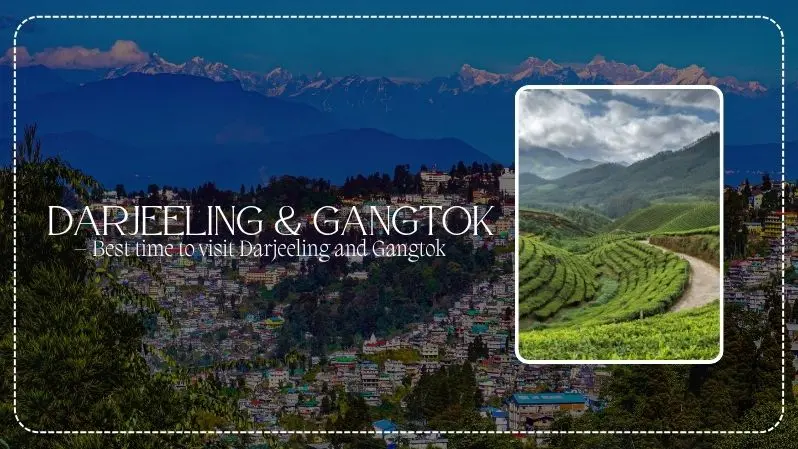
West Bengal is a land of extraordinary contrasts, where the mighty Himalayas meet the vast Bay of Bengal, and ancient temples stand alongside colonial architecture. From the aromatic tea gardens of Darjeeling to the mysterious mangrove forests of Sundarbans, this eastern Indian state offers travelers an incredible diversity of experiences.   Whether you’re seeking adventure in the mountains, tranquility on pristine beaches, or cultural immersion in historical towns, the places to visit in West Bengal cater to every type of traveler. With its rich Bengali heritage, mouth-watering cuisine, and warm hospitality, West Bengal promises an unforgettable journey through one of India’s most fascinating regions.   Hill Stations in West Bengal   Darjeeling – The Queen of Hills No list of places to visit in West Bengal is complete without Darjeeling, the crown jewel of Indian hill stations. Perched at an elevation of 2,050 meters, Darjeeling captivates visitors with its rolling tea estates, colonial charm, and breathtaking views of the Kanchenjunga range.   The iconic Darjeeling Himalayan Railway, affectionately known as the “Toy Train,” is a UNESCO World Heritage Site that offers one of the most scenic journeys in India. As the narrow-gauge steam engine chugs through misty mountains and quaint villages, you’ll understand why this experience has enchanted travelers for over a century.   Wake up early to witness the spectacular sunrise from Tiger Hill, where the first rays of sunlight paint the snow-capped peaks of Mount Kanchenjunga in shades of gold and pink. The Batasia Loop, a unique railway spiral with a war memorial at its center, provides panoramic views of the surrounding mountains and the town nestled below. Darjeeling’s tea gardens are world-famous, and a visit to estates like Happy Valley or Glenburn offers insights into the tea-making process, from leaf to cup. The Mall Road and Chowrasta are perfect for leisurely walks, shopping for local handicrafts, and sampling momos and thukpa at charming cafes. Best time to visit: March to May and October to December   Kalimpong Just 50 kilometers from Darjeeling, Kalimpong offers a more relaxed alternative with its own distinct character. This charming hill town is renowned for its Buddhist monasteries, orchid nurseries, and panoramic Himalayan views. The Zang Dhok Palri Phodang monastery and Durpin Dara Hill provide spiritual solace and stunning vistas. Kalimpong is also famous for its flower nurseries, particularly exotic orchids and cacti that thrive in the region’s climate. Adventure enthusiasts can enjoy paragliding experiences that offer bird’s-eye views of the valley. Don’t miss the bustling Kalimpong Market, where you can find traditional handicrafts, Tibetan artifacts, and the region’s famous cheese produced by local cooperatives.   Kurseong – Nature’s Embrace Often overshadowed by its more famous neighbor, Kurseong is an offbeat gem among West Bengal tourist places. The name means “Land of White Orchids,” and this peaceful hill station lives up to its poetic description. Eagle’s Crag viewpoint offers magnificent sunrise and sunset views, while the Makaibari Tea Estate welcomes visitors for tours and tastings. The quieter atmosphere makes Kurseong ideal for travelers seeking solitude and authentic mountain experiences away from tourist crowds.   Sandakphu – The Trekker’s Paradise For adventure seekers, Sandakphu represents the ultimate trekking destination in West Bengal. At 3,636 meters, it’s the highest peak in the state and offers unparalleled views of four of the world’s five highest peaks: Everest, Kanchenjunga, Lhotse, and Makalu. The trek to Sandakphu takes you through the Singalila National Park, where rhododendron forests bloom in spring and red pandas occasionally make appearances. The journey typically takes 5-6 days, passing through charming villages and offering accommodations in basic trekker’s huts along the way.   Coastal & Beach Destinations   Digha – The Family Beach Retreat Digha ranks among the most popular places to visit in West Bengal for beach lovers and families. Located approximately 185 kilometers from Kolkata, this coastal town offers an accessible seaside escape with clean beaches and modern amenities. New Digha features wider beaches and better facilities, while Old Digha retains a more traditional charm. The Marine Aquarium and Research Centre showcases fascinating marine life from the Bay of Bengal. Early morning beach walks, camel rides, and fresh seafood are highlights of any Digha visit. The calm waters make it suitable for swimming, though visitors should be mindful of safety guidelines. Nearby attractions include the Science Centre and the picturesque Chandaneswar Temple. Best time to visit: October to March   Mandarmani – The Motorable Beach Mandarmani boasts India’s longest motorable beach, stretching over 13 kilometers of pristine coastline. This relatively new tourist destination has quickly become one of the best places in West Bengal for beach enthusiasts seeking something beyond traditional seaside towns. The unique feature of driving along the beach during low tide creates memorable experiences. Water sports including jet skiing, ATV rides, and speed boating add adventure to relaxation. The beach is dotted with resorts ranging from budget to luxury, making it accessible for all travelers. The stunning red crabs that emerge at dusk create a natural spectacle, transforming the beach into a living canvas of vibrant color. Bakkhali & Henry’s Island For those seeking tranquility, Bakkhali offers serene beaches far from commercialization. The nearby Henry’s Island provides an even more secluded experience with its untouched shoreline and peaceful atmosphere. A boat ride to Jambu Dwip, a small island formed at the confluence of rivers and sea, adds adventure to the trip. The area is known for birdwatching opportunities, especially during migratory seasons when numerous species visit the coastal region.   Shankarpur – The Hidden Coastal Gem Shankarpur remains one of West Bengal’s best kept secrets. This quiet fishing village turned beach destination offers pristine sands, fewer crowds, and authentic coastal experiences. The beach is ideal for those who prefer peaceful contemplation over bustling beach activities. Historical & Cultural Places   Kolkata – The City of Joy Kolkata, the capital city, is undoubtedly one of the most culturally rich places to visit in West Bengal. This metropolis seamlessly blends colonial heritage with modern urban life, creating a unique

Places to Visit in West Bengal: Your Ultimate Travel Guide to India’s Cultural Gem Read More »

Kanchipuram Temple Complete Guide – History, Timings & Travel Info

Kanchipuram Temple Complete Guide 2026: Timings, History & Top 5 Must-Visit Temples

Kanchipuram, famously known as the “City of Thousand Temples,” is one of the most sacred pilgrimage destinations in South India. Revered for its deep spiritual roots, architectural brilliance, and ancient heritage, Kanchipuram Temple culture represents over a thousand years of uninterrupted devotion. The city holds immense importance for followers of Shaivism, Vaishnavism, and Shaktism, making it a rare spiritual confluence in Hinduism.   Located in Tamil Nadu, Kanchipuram is counted among the Sapta Puri the seven most sacred cities believed to grant moksha (liberation). From towering gopurams and intricately carved pillars to sacred tanks and ancient inscriptions, every temple here narrates stories of dynasties like the Pallavas, Cholas, and Vijayanagara rulers.   Kanchipuram Temple: Location & How to Reach   Kanchipuram Temple in Which State? Kanchipuram is located in the Tamil Nadu state of South India, approximately 72 kilometers southwest of Chennai, the state capital. The city serves as the administrative headquarters of Kanchipuram district and is strategically positioned in the northern part of Tamil Nadu. This ancient city has been a significant cultural and religious center for centuries, drawing pilgrims and tourists from across the globe. The city’s location makes it easily accessible from major South Indian cities, making it an ideal destination for both day trips and extended spiritual tours.   Kanchipuram Temple Distance from Major Cities Planning your journey to Kanchipuram requires understanding the distances from various major cities. Here’s a comprehensive distance chart to help you plan your trip: Origin City Distance to Kanchipuram Approximate Travel Time Chennai 75 km 1.5 – 2 hours Bangalore 330 km 6 – 7 hours Vellore 80 km 2 hours Pondicherry 115 km 2.5 – 3 hours Madurai 380 km 7 – 8 hours Coimbatore 410 km 8 – 9 hours Tiruvallur 60 km 1.5 hours Mahabalipuram 64 km 1.5 hours The proximity to Chennai makes Kanchipuram an excellent weekend getaway or day-trip destination for residents of the metropolitan city.   How to Reach Kanchipuram Temple   Kanchipuram Temple Nearest Railway Station Kanchipuram Railway Station is the primary railway station serving the temple city. The station is conveniently located just 1-3 kilometers from most major temples, making it the most practical entry point for rail travelers. Key Railway Information: ➾ Station Code: CJ (Kanchipuram) ➾ Distance from Major Temples: 1-3 km ➾ Train Connectivity: Regular trains from Chennai, Bangalore, Tirupati, and other major cities ➾ Station Facilities: Waiting rooms, refreshment stalls, prepaid auto-rickshaw counters Alternative Railway Station: ➾ Chengalpattu Junction (28 km from Kanchipuram): A major junction with more frequent trains from Chennai and other cities. From Chengalpattu, local buses and taxis are readily available to Kanchipuram. Popular Train Routes: ➾ Chennai Beach to Kanchipuram: Multiple suburban trains daily ➾ Bangalore to Kanchipuram: Several express and passenger trains ➾ Tirupati to Kanchipuram: Connected via Chennai By Air The Chennai International Airport (Anna International Airport) is the nearest major airport to Kanchipuram, located approximately 72 kilometers away. Airport to Kanchipuram Options: ➾ Taxi/Cab Services: Pre-paid taxis available at airport, cost approximately ₹1,500-2,000 ➾ App-based Cabs: Ola, Uber services available ➾ Travel Time: 1.5 to 2 hours depending on traffic ➾ Bus Services: Limited direct bus services; better to change at Chennai By Road Kanchipuram is well-connected by an excellent network of roads, making it easily accessible by bus, taxi, or private vehicle. State Transport Buses: ➾ From Chennai: Frequent buses from CMBT (Chennai Mofussil Bus Terminus) and Koyambedu ➾ Frequency: Every 15-30 minutes ➾ Travel Time: 2-2.5 hours ➾ Fare: ₹50-100 (depending on bus type) From Bangalore: ➾ Regular buses operated by Karnataka and Tamil Nadu state transport ➾ Travel Time: 6-7 hours ➾ Fare: ₹400-800 Private Taxis and Car Rentals: ➾ Available from all major cities ➾ Recommended for comfortable travel with family ➾ GPS-enabled routes via NH 48 Self-Drive Route from Chennai: Take NH 48 (Chennai-Bangalore Highway) → Exit at Walajabad → Follow signs to Kanchipuram (Well-marked route)   Kanchipuram Temple History:   The history of Kanchipuram Temple is not just the story of stone and sculpture. it’s a narrative of faith, devotion, and architectural brilliance spanning over 1,500 years. Understanding this rich heritage adds profound depth to your temple visit. Ancient Origins and Religious Significance Kanchipuram’s temple heritage dates back to the 4th century CE, though the city itself has been inhabited since much earlier. Ancient Tamil literature, including the Sangam texts dating to the 1st-3rd centuries CE, makes references to Kanchipuram as “Kanchi,” establishing its antiquity as a significant settlement. Kanchipuram as Moksha-puri: Kanchipuram is one of the seven sacred cities (Sapta Puri) in Hinduism where liberation (moksha) can be attained. The seven cities are: Ayodhya Mathura Haridwar Varanasi Kanchipuram Ujjain Dwarka This sacred status has made Kanchipuram a major pilgrimage destination for centuries, with devotees believing that visiting the temples here cleanses sins and brings spiritual merit.   List of All Major Temples in Kanchipuram   Kanchipuram boasts over 1,000 temples, earning its reputation as the “City of Thousand Temples.” While it’s impossible to cover every shrine, here’s a comprehensive list of the major and significant temples that define the spiritual landscape of this sacred city.   Major Shiva Temples (Shaivite Shrines) 1. Ekambareswarar Temple – One of the Pancha Bhoota Stalas representing Earth element 2. Kailasanathar Temple – Oldest temple in Kanchipuram, 8th century masterpiece 3. Onakanthan Tali Temple – Ancient Shiva shrine 4. Kumara Kottam Temple – Dedicated to Lord Murugan (Kartikeya) 5. Pachaivannar Temple – Featuring a distinctive green-hued deity 6. Konganar Koil Temple – Historical Shiva temple   Major Vishnu Temples (Vaishnavite Shrines) 7. Varadaraja Perumal Temple – One of the 108 Divya Desams 8. Vaikunta Perumal Temple – Unique four-tiered structure 9. Ulagalantha Perumal Temple – Celebrating Vishnu’s Trivikrama avatar 10. Ashtabujakaram Temple – Eight-armed Vishnu form 11. Pandava Thoothar Perumal Temple – Connected to Mahabharata legend 12. Thiruthanka Temple – Deepa Prakasha Perumal Temple 13. Deepaprakashar Temple – Temple of the Lord of Light 14. Pavala Vannaperumal Temple – Coral-hued deity 15. Thiruvelukkai Temple – Ancient Vishnu shrine 16.

Kanchipuram Temple Complete Guide 2026: Timings, History & Top 5 Must-Visit Temples Read More »

Magnetic Hill in Ladakh – Location, Mystery & Best Time

Magnetic Hill in Ladakh – Location, Mystery & Best Time

If you’ve ever dreamed of witnessing something that challenges the laws of physics, Magnetic Hill in Ladakh is one place you absolutely cannot miss. Located along the iconic Leh Kargil Srinagar highway, this mysterious hill is famous for a strange phenomenon: vehicles appear to move uphill on their own, even when left in neutral. Is it magnetic power? An optical illusion? A miracle of nature? This guide explains everything even the science and covers how to visit, what to expect, and why Magnetic Hill deserves a spot in your Ladakh itinerary.   What is Magnetic Hill? Magnetic Hill is a small stretch of road where the landscape tricks your mind. When you park your car at the designated spot, put it in neutral, and release the brakes, it seems to slowly climb upward instead of rolling downward. Thousands of travelers witness this every year, making Magnetic Hill one of the top tourist attractions in Ladakh. Why is it famous? ➾ Vehicles look like they move uphill ➾ One of the world’s recognized “gravity hills” ➾ Surrounded by dramatic desert mountains ➾ Easily accessible from Leh   The Science Behind Magnetic Hill: Optical Illusion Explained   The REAL reason: Gravity Hill Optical Illusion The surrounding mountains and road alignment create a visual distortion. Your brain perceives a downhill slope as uphill because: ➾ The horizon is tilted ➾ The terrain lacks reference points ➾ The road subtly slopes downward though it looks upward This phenomenon is known worldwide and seen in places like: ➾ Mystery Spot, USA ➾ Gravity Hill, Canada ➾ Gansu Gravity Hill, China So, the car moves downwards due to gravity, but to the eye, it appears to be climbing.   Local Legends & Myths Before science explained it, locals had their own theories and they’re fascinating. The ‘Road to Heaven’ Myth Villagers believed the hill was a divine path. The road would pull “good souls” upward while rejecting the bad. Magnetic Power Myth Some early visitors noted that vehicles seemed to resist movement or accelerate unusually. This created a rumor that the hill had strong magnetic forces capable of pulling cars and even disturbing aircraft instruments.   Where is Magnetic Hill Located? While not true, the stories add to the charm of visiting Magnetic Hill! Magnetic Hill sits on the Leh–Kargil–Srinagar National Highway, around 27–30 km from Leh. Altitude: approx. 11,000 ft (3,352 m) Drive Time from Leh: 30 – 40 minutes Nearby attractions: ➾ Gurudwara Pathar Sahib – 2 km ➾ Sangam (Indus–Zanskar confluence) – 4 km ➾ Hall of Fame Museum – 20 km This makes it a perfect half-day sightseeing circuit.   Best Time to Visit Magnetic Hill Ladakh Season What to Expect May to September Best time, clear roads, warm days October to February Snowy, icy roads but magical winter landscapes March to April Weather unstable, road repairs For most visitors, May to September is ideal. How to Reach Magnetic Hill   From Leh: ➾ By taxi ➾ By rented bike ➾ By self-drive car ➾ By bicycle (for adventure seekers) The highway is beautifully smooth, scenic, and safe for most travelers during summer. From Srinagar: ➾ Drive via Sonmarg → Drass → Kargil → Magnetic Hill → Leh ➾ This is part of the famous Srinagar–Leh road trip route Self-drive Tips ➾ Roads are excellent up to the hill ➾ Watch for mild altitude effects Follow “Magnetic Hill” signboards along the way   What to Do at Magnetic Hill 1. Try the Gravity-Defying Car Test Park your vehicle at the white box marked “Magnetic Hill”, shift to neutral, and watch it slowly roll “uphill.” 2. Photography & Videography The surrounding mountains create dramatic visuals, perfect for: ➾ Drone shots (where allowed) ➾ Reels ➾ Wide-angle landscape photography 3. Combine with Nearby Attractions Most visitors combine it with: ➾ Sangam viewpoint ➾ Pathar Sahib Gurudwara ➾ Hall of Fame ➾ Confluence rafting This makes it an ideal 3 – 4 hour sightseeing plan.   Travel Tips for Magnetic Hill ➾ Don’t stop in random area use the designated zone. ➾ Avoid long stops on the highway. ➾ Keep an eye on traffic; it’s an active road. ➾ In winter, check road conditions before traveling. ➾ Carry water, sunscreen & warm clothing.   Why Magnetic Hill is Worth Visiting Even after the science explanation, Magnetic Hill remains a magical part of Ladakh: ➾ It’s a once-in-a-lifetime experience ➾ The illusion is fun and mind-boggling ➾ Surrounded by breathtaking Himalayan landscapes ➾ Easy to reach from Leh ➾ Free and open to all It takes only 15 – 20 minutes, but the memory stays forever. Conclusion Magnetic Hill stands as one of Ladakh’s most fascinating natural illusions a place where your mind gets tricked, your curiosity awakens, and your camera stays active. Whether you’re on a Leh sightseeing tour or a long road trip to Kargil, this unique spot is worth every minute.   FAQ – Related to Magnetic Hill Ladakh   Q. Why is Magnetic Hill in Ladakh famous? Ans: Magnetic Hill is famous because vehicles appear to move uphill on their own due to a gravity defying optical illusion. It is one of the top attractions on the Leh Kargil highway.   Q. How does Magnetic Hill work? Ans: It works through an optical illusion where a downward sloping road appears to slope upward because of the surrounding landscape and horizon alignment.   Q. Is Magnetic Hill a real scientific phenomenon? Ans: Yes. It is known as a gravity hill a naturally occurring illusion seen at several places around the world.   Q. Can airplanes and helicopters feel Magnetic Hill’s magnetic effect? Ans: No. Local myths claim aircraft instruments are affected, but the Indian Air Force has confirmed there is no magnetic disturbance in this region.   Q. Is there an entry fee for Magnetic Hill? Ans: No. Visiting Magnetic Hill is completely free.   Q. What is the best time of day to visit Magnetic Hill? Ans: Morning and late afternoon

Magnetic Hill in Ladakh – Location, Mystery & Best Time Read More »

Best places to visit in Jibhi

Best Places to visit in Jibhi

Picture this: you’re waking up to the sound of birds chirping, surrounded by towering pine trees, with the gentle rush of a mountain stream in the background. No honking horns, no traffic jams just pure, unadulterated nature. Welcome to Jibhi, Himachal Pradesh’s best-kept secret that’s slowly but surely making its way onto every adventure seeker’s bucket list. Tucked away in the serene Banjar Valley at an altitude of 2,580 meters, Jibhi is that rare gem where commercialization hasn’t completely taken over. Yes, it’s getting popular, but it still retains that raw, untouched charm that makes you feel like you’ve stepped into a different world altogether.   Why Jibhi Should Be Your Next Adventure Let me be honest with you Jibhi isn’t your typical Himachal destination with bustling markets and happening cafes. And that’s exactly what makes it special! This tiny hamlet offers something money can’t buy: peace, tranquility, and a genuine connection with nature. Whether you’re a solo backpacker seeking solitude, a couple looking for a romantic escape, or a family wanting to disconnect from screens and reconnect with each other, Jibhi delivers. The traditional wooden cottages with their distinctive Kath-kuni architecture, the pristine waterfalls hidden in dense forests, and the warm hospitality of locals make this place unforgettable.   Must-Visit Places in Jibhi   1. Jibhi Waterfall Let’s start with the crown jewel the Jibhi Waterfall. Hidden deep inside the forest, this beauty isn’t visible from the road, which adds to its mystique. The sound of gushing water serves as nature’s music, creating an enchanting atmosphere that’ll make you want to sit there for hours. The best part? Wooden bridges are built near the waterfall, offering picture-perfect views. If you’re lucky enough to visit early morning, you might catch a rainbow dancing in the mist. Trust me, it’s magical! Getting there: Easy trek from the main market area locals will happily point you in the right direction.   2. Jalori Pass At 3,120 meters above sea level, Jalori Pass is the crown of the region. Remember that iconic scene from Yeh Jawaani Hai Deewani? Well, locals claim it was shot right here (though we can’t confirm that officially!). The 12 km drive from Jibhi to Jalori Pass is breathtakingly beautiful literally! You’ll pass through dense pine forests and rocky hills, with each turn revealing more stunning vistas. Once at the top, you’re treated to 360-degree views of snow-capped mountains that’ll leave you speechless. The pass is also your gateway to the famous Serolsar Lake trek and adventure activities like paragliding. Just remember to carry warm clothes it gets chilly up there!   3. Serolsar Lake A 6 km trek from Jalori Pass leads you to this pristine high-altitude lake nestled at 3,100 meters. Surrounded by thick woods of oak and pine trees, Serolsar Lake is like something straight out of a fairy tale. The lake is considered sacred by locals, and there’s a temple dedicated to Budhi Nagin near its shores. According to local belief, the lake’s waters have medicinal properties. Whether that’s true or not, one thing’s certain the peace you’ll find here is definitely therapeutic! Trek duration: 1.5 to 2 hours one way Difficulty level: Easy to moderate Best for: Nature lovers, photographers, and peace seekers   4. Chehni Kothi This 400-year-old fortified tower is nothing short of an architectural wonder. Standing tall at 40 meters, it’s the tallest monument in the entire Himalayan range built on a volatile tectonic zone and it has survived devastating earthquakes for centuries! The fort showcases traditional Himachali pagoda-style architecture with intricate wood carvings. It’s now converted into a temple dedicated to Goddess Shringa. While outsiders aren’t allowed to climb the inner stairs, the exterior itself and the panoramic valley views are worth the trek. Distance from Jibhi: 10 km How to reach: By car or trek from Gada Gushaini village   5. Mini Thailand (Kulhi Katandi) No, you don’t need a visa for this Thailand! About 300 meters before reaching Jibhi, you’ll find a signboard for Kulhi Katandi. A short 15-minute descent through the forest leads you to a stunning turquoise pool formed between two massive rocks. The crystal-clear, cold water and the unique rock formations do give off those Thailand vibes (hence the name). It’s a perfect spot for dipping your feet, chilling with friends, or even taking a refreshing swim if you’re brave enough! Entry fee: Free Best time: Late spring to early autumn when water levels are ideal   6. Shringa Rishi Temple Located about 7 km from Jibhi in Baggi village, this temple is dedicated to Shringa Rishi, the chief deity of Kullu Valley. According to Hindu mythology, Shringa Rishi was the sage who performed the yagna for King Dashrath, after which Lord Rama and his brothers were born. The temple’s architecture is beautiful, and the spiritual energy of the place is palpable. It’s one of those spots where you naturally feel inclined to sit in quiet contemplation.   7. Great Himalayan National Park A UNESCO World Heritage Site, this national park is home to over 375 species of fauna, including Himalayan brown bears, snow leopards, and rare bird species. If you’re a wildlife enthusiast or photographer, this is your playground! The park offers numerous trekking trails through lush forests and along rivers. Keep your camera ready you never know when you might spot a Himalayan monal or tragopan! Note: Special permission required for entry   8. Raghupur Fort Want a relatively easy trek with rewarding views? The 3 km trail to Raghupur Fort from Jalori Pass is perfect. The fort itself is ancient and offers spectacular 360-degree views of the valley below. Pro tip: Start early and catch the sunrise from the fort it’s absolutely mesmerizing!   9. Tandi Village About 8 km uphill from Jibhi lies Tandi, a remote village that only got proper road connectivity 4-5 years ago. This means it’s far less touristy and retains that authentic mountain village vibe. Tandi is famous for its treehouses (more on that later!), apple

Best Places to visit in Jibhi Read More »